Using an EPIRB, they initiate a costly communication but avoid an even more costly search later Issue 16 : Jan/Feb 2001 It was 3 a.m. Everything bad at sea happens at this hour. Minutes later, when we...

Resources, Boat Data & Interactive Calculators
Using an EPIRB, they initiate a costly communication but avoid an even more costly search later Issue 16 : Jan/Feb 2001 It was 3 a.m. Everything bad at sea happens at this hour. Minutes later, when we...
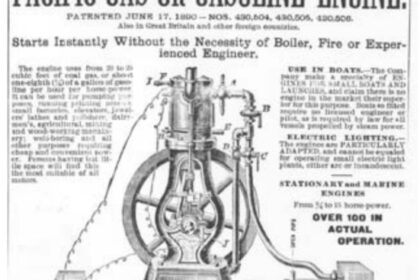
The beginnings of marine chitty chitty bang bang Issue 18: May/June 2001 Each time I am becalmed in the Sargasso Sea when single-handing my virtual ketch around the world in my best Walter Mitty style...
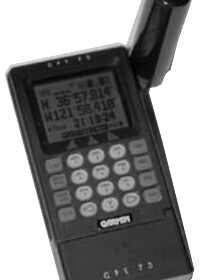
Coordinated universal time and the mystery of the vanishing 13 seconds Issue 19 : Jul/Aug 2001 The biggest disappointment of my early life, after the Santa Claus thing, was the discovery that “Time Se...

A system for cruisers that steers better than any crew and doesn’t drink your beer Issue 24 : May/June 2002 The wind is blowing 30 on your quarter, and the rain is coming in sideways. The seas and you...
Issue 26 : Sept/Oct 2002 When cruising, we keep in touch with family and friends with email, using our Pocketmail Composer. We bought our Pocketmail device and signed up for the mobile email service i...
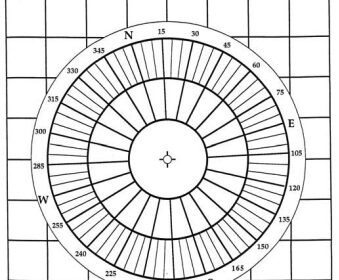
It may be quick and dirty, but it’s also cheap and handy Issue 26 : Sept/Oct 2002 Many years ago, when the sailing sickness first hit me, one of the first things I did was to buy a nice new copy of Ch...
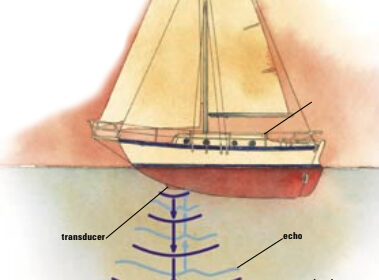
The short course — the first in a series of overview articles for those who want just the big picture Issue 31 : Jul/Aug 2003 Two thousand years ago, during the age of the Roman Empire, weights were m...
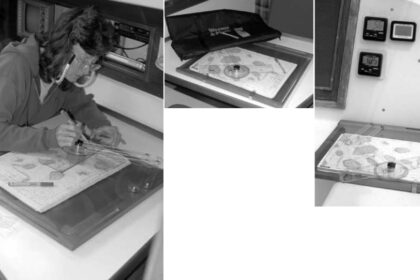
Two very different aids to navigation Issue 32 : Sept/Oct 2003 Back in 1968 when I was a navigating officer on the USS Newport News, we had a chart table that would hold a full-sized chart without fol...
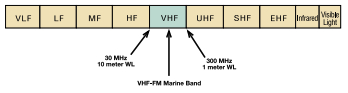
Understanding and using your marine-band radio Issue 32 : Sept/Oct 2003 The primary short-range radio-communication system for most small craft is the VHF-FM marine-band radio. It is the communication...
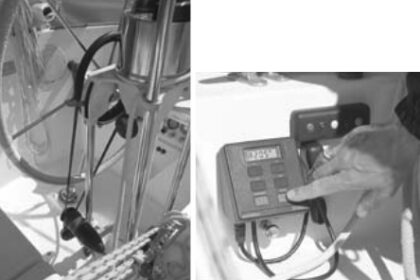
Significant advances in new generation of autopilots Issue 32 : Sept/Oct 2003 Not long ago, autopilots were little more than powered aids to steering with somewhat primitive designs and a reputation f...

See how the wind can fill your batteries as well as your sails Issue 33 : Nov/Dec 2003 Sailors have depended on the wind for propulsion ever since there have been sails. Now, however, not only can the...
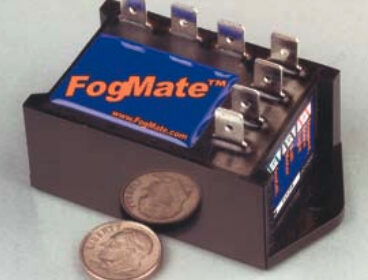
When the fog arrives, it’s time to blow your own horn Issue 35 : Mar/Apr 2004 Operating your boat in a dense fog can be an anxiety-filled experience. You need to maintain a safe course; check your com...
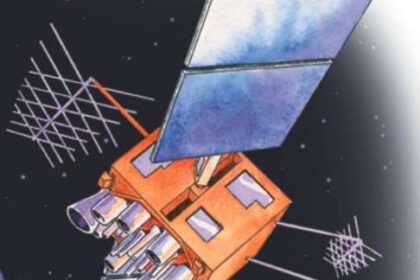
GPS, the system that supports your navigational eyes in the sky Issue 35 : Mar/Apr 2004 In October 1957, the first man-made satellite was thrust into orbit around the earth. The USSR’s tiny Sputnik ha...
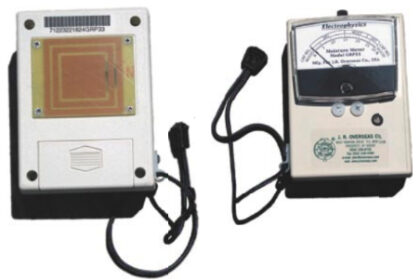
A marine surveyor’s best friend Issue 36 : May/Jun 2004 A moisture meter is a marine surveyor’s best friend, but do you need to own one if you are not a surveyor? Basically there are two types of mari...

Radar takes the sting out of navigating in fog Issue 38 : Sept/Oct 2004 We’d been cruising the coast of Nova Scotia for a week but had yet to see it. Our charts said it was out there to the left somew...
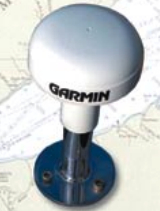
Electronic charts offer choices for every budget Issue 41 : Mar/Apr 2005 The typical chart plotter consists of a display unit, either black-and-white or color, and a GPS. The plotter displays your boa...
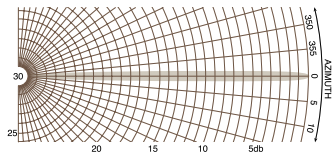
This proven safety feature is now practical for all sailboats Issue 43 : Jul/Aug 2005 Radar is an acronym for RAdio Detecting And Ranging. A marine radar is used to determine the distances and azimuth...
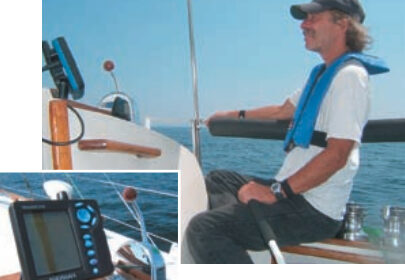
Change that awkward throttle and gear placement Issue 45 : Nov/Dec 2005 Some sailboat traditions deserve to die. Among them is the placement of the auxiliary engine controls down around the ankles of ...
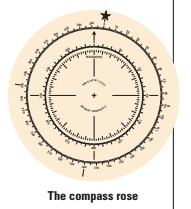
It’s the simplest, most reliable instrument on your boat Issue 45 : Nov/Dec 2005 There are many types of compasses that help the mariner determine direction: the electronic flux-gate compass, an elect...
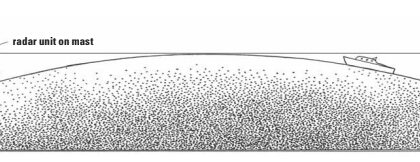
Is it right for your boat? Issue 47 : Mar/Apr 2006 Retrofitting your sailboat? Thinking about upgrading your electronics? Wondering whether you should install one of those expensive new chart-plotting...

The way we keep time at sea Issue 48 : May/Jun 2006 The concept of latitude and longitude have been known since the early days of sail, but without accurate timepieces longitude readings required long...
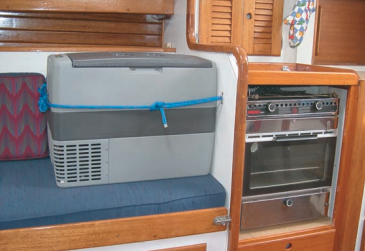
Portable refrigerator provides economical ice Issue 50 : Sept/Oct 2006 Older boats lack many of the amenities found in newer boats. Chartering a newer Beneteau in the British Virgin Islands brought th...
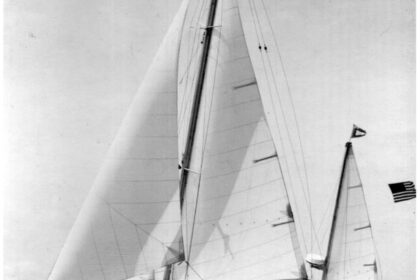
Four basic elements of yacht design Issue 52: Jan/Feb 2007 WE ALL HAVE TO FACE THE FACT that there is no such thing as the perfect sailing yacht, with the possible exception of the one you just bought...
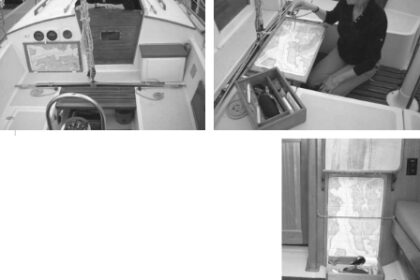
A way to keep charts handy to the helm Issue 54 : May/Jun 2007 Beth and I sail our Ericson 31 in Puget Sound and north into the Canadian Gulf Islands and the shores of Vancouver Island. Even though we...
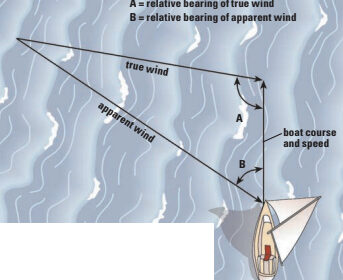
Here are the terms that define the wind Issue 55 : Jul/Aug 2007 Knowledge of the wind is vital for sailors. So is knowledge of the vocabulary of the wind. To understand and talk about the wind, some i...

Understanding satellites and their benefits Issue 55 : Jul/Aug 2007 Today about 2,700 man-made satellites circle the Earth, but our satellite age had very humble beginnings. In October 1957, 12 years ...

It’s helpful — but there’s no absolute certainty Issue 56 : Sept/Oct 2007 We were following the channel behind the breakwater from Prince Arthur’s Landing Marina, heading toward the entrance to Thunde...
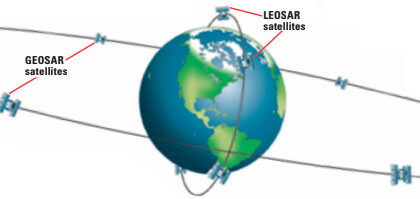
Electronic devices designed to save your life at sea Issue 58 : Jan/Feb 2008 EPIRB is an acronym for emergency position-indicating radio beacon, a device designed to save your life in an emergency by ...

A famous designer tells how yachts have changed Issue 61: July/Aug 2008 In honor of Good Old Boat’s 10th anniversary, I thought it would be interesting to look back over the changes in small-boat desi...
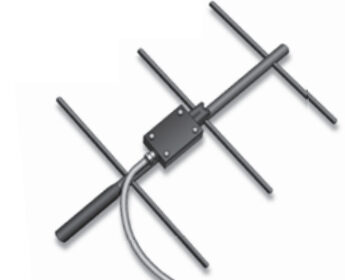
New alerts help prevent loss of life Issue 60 : May/Jun 2008 Every year the electronics aBoard the offshore sailboat become more exotic. Among the latest trends in marine safety are man-overboard (MOB...