Having capitulated, here’s how to raise the waterl...
September 25, 2026
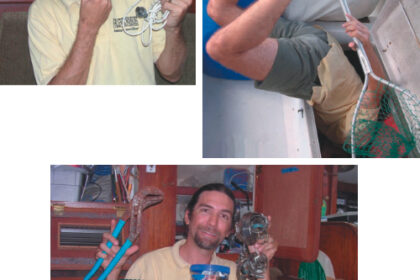
New owner unearths hidden mysteries aboard Issue 47 : Mar/Apr 2006 “What is this thing?” I ponder, holding up a hotdog-shaped red bulb with a foot-long wire protruding from one end, terminating in a p...
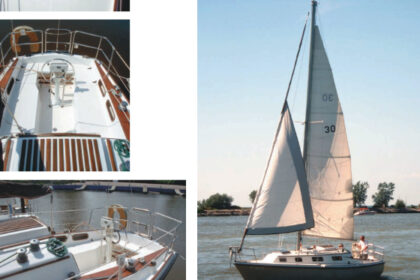
This late ‘70s fast coastal cruiser has a pedigreed design Issue 47 : Mar/Apr 2006 The Seafarer 30 was designed by Jim McCurdy and Bodie Rhodes and was sold from 1979 through 1985. This performance-or...
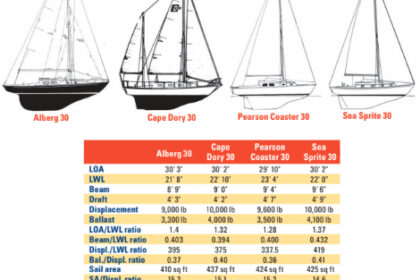
Four very similar 30-footers Issue 47 : Mar/Apr 2006 I try to select similar boats for my comparisons, but this time I seem to have selected four peas from the same pod. There certainly are more simil...
A classic plastic racer/cruiser with looks to turn your head Issue 47 : Mar/Apr 2006 Magic. We drove east to witness the magic touch, but instead we were treated to a love story. It wasn’t a bad trade...
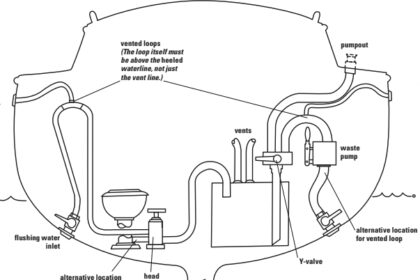
Refining the boat’s most important plumbing system Issue 47 : Mar/Apr 2006 We have all had that experience: you complete a project, feel justifiably proud, but as you live with the results you realize...

Eight years into a cruise, here’s what’s still operating well Issue 47 : Mar/Apr 2006 I wrote an article for Good old Boat (January 2001) about the preparations we made for liveaboard bluewater cruisi...

Doing your own boatwork, you confront certain immutable truths Issue 47 : Mar/Apr 2006 I am an expert do-it-yourselfer. I make this claim not simply because I’ve fixed a lot of things on my own and fr...
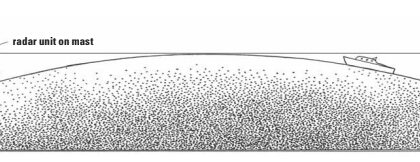
Is it right for your boat? Issue 47 : Mar/Apr 2006 Retrofitting your sailboat? Thinking about upgrading your electronics? Wondering whether you should install one of those expensive new chart-plotting...

What you see is exactly what you get Issue 47 : Mar/Apr 2006 Why do you always seem to tack into a header? Why do iceboats always sail to windward, no matter which direction they’re going? Why is it t...
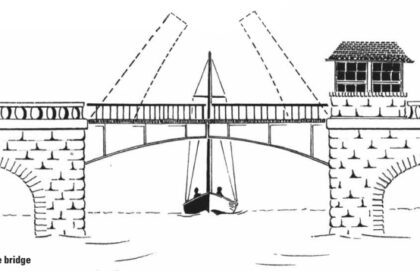
How to request openings like a pro Issue 47 : Mar/Apr 2006 Last winter, our friends Susan and Scott came down to Florida to escape the Lake Erie winter and do a little sailing. I enjoy having other sa...

What to expect and how to survive Issue 47 : Mar/Apr 2006 There were all the classic signs — I was just too inexperienced, or in too much of a hurry, to pay attention to them. After a rainy night, my ...

Sailing with a two-year-old in the Florida Keys Issue 47 : Mar/Apr 2006 These days, when Noah is playing with his toy sailboats, he can pick out the boom, the mast, and the keel. Then he points to the...

A long-time voyager examines the effects of cruising on kids Issue 47 : Mar/Apr 2006 We had said our goodbyes the night before, her eyes glistening with love and the anticipation of her next adventure...

A Balance Lugsail Primer It has been five months since the OzGoose kit arrived. The boat has been assembled, epoxied, and varnished. It is ready now for rigging. First it should be noted that there we...

After 29 years, a new genoa Issue 47 : Mar/Apr 2006 Mystic’s 150-percent genoa was made in 1976, as near as I can tell. We’ve made repairs to it in most of the 14 years we’ve owned the boat. I even se...

Not a pretty sight but they get the job done Issue 48 : May/Jun 2006 In addition to owning a sailboat of a certain age, I have other hobbies. I dabble in woodworking — a handy skill when it comes to m...
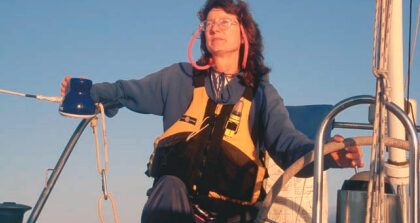
They also spend who only sail and toil Issue 48 : May/Jun 2006 Some time ago I participated in a government survey focusing on the national economy. It was interested in the buying habits of the publi...
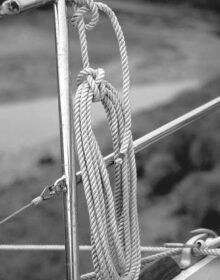
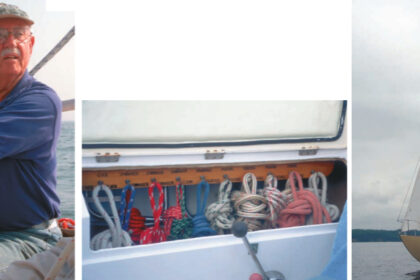
Coil and stow that line following British tradition Issue 48 : May/Jun 2006 Any time we crew for another skipper, I think most of us take a look around and try to acquaint ourselves with how things ar...
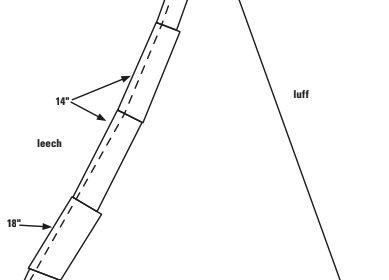
Make your own sacrificial strip for the genoa Issue 48 : May/Jun 2006 It was time to replace the sacrificial sun cover on our 150-percent genoa. It wasn’t worn out or damaged, but I was getting tired ...
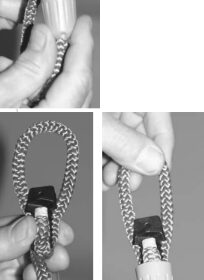
A high-tech substitute for the bowline knot Issue 48 : May/Jun 2006 Steve Brennan was up in a bosun’s chair during a race some years ago, trying to free a spinnaker-halyard splice that had jamme...
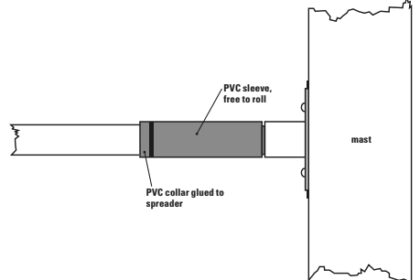
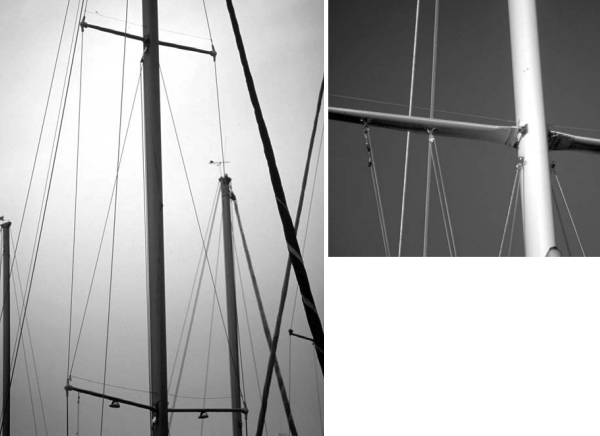
Roller guards tame halyard chafe Issue 48 : May/Jun 2006 When I took my mast down for repair, I noticed that the surface of the aluminum spreaders was flattened in places by halyard chafe. A friend su...

Dress them up and domesticate them Issue 48 : May/Jun 2006 Rubber tires are used everywhere in the world as fenders — but on workboats, not on yachts. They’re big, ugly, awkward to stow, and when they...

Extend your cruising season with this added protection Issue 48 : May/Jun 2006 After many years of dreaming, sketching, and reading about other similar projects, a hard dodger became a reality for Whi...

This respected company continues to move with the times Issue 48 : May/Jun 2006 Aa any marketing whiz will tell you, brand recognition is key to sales. And among sailboat builders, Pacific Seacraft ha...
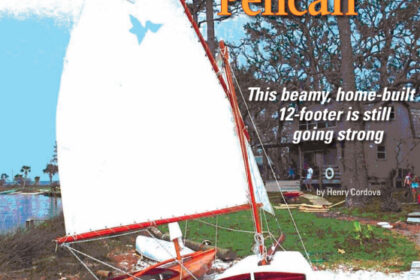
This beamy, home-built 12-footer is still going strong Issue 48 : May/Jun 2006 All during the long, clear california summer, the rising sun heats the rich black soils of the Golden State’s vast centra...

The way we keep time at sea Issue 48 : May/Jun 2006 The concept of latitude and longitude have been known since the early days of sail, but without accurate timepieces longitude readings required long...

It’s his boat’s way of warning him to pay attention Issue 48 : May/Jun 2006 Ahhh . . . at last. Spring is here. I can tell by the bump on my head . . . near the hairline on the right side, same as eve...

A gourmet cruiser’s tasty substitutes for fresh produce Issue 48 : May/Jun 2006 It was the end of a perfect day. Earlier, we’d had a great spinnaker run along Lake Superior’s Ontario wilderness shorel...

Fresh produce from a cruising ketch’s deck Issue 48 : May/Jun 2006 Heading north from Nanaimo to begin our circumnavigation of Vancouver Island on Canada’s west coast, we passed another sailboat headi...

Lose yourself in the mystery of the universe Issue 48 : May/Jun 2006 We hardly get to see the sky at night anymore; electric light has all but banished it. Anywhere near a city, the atmosphere reflect...