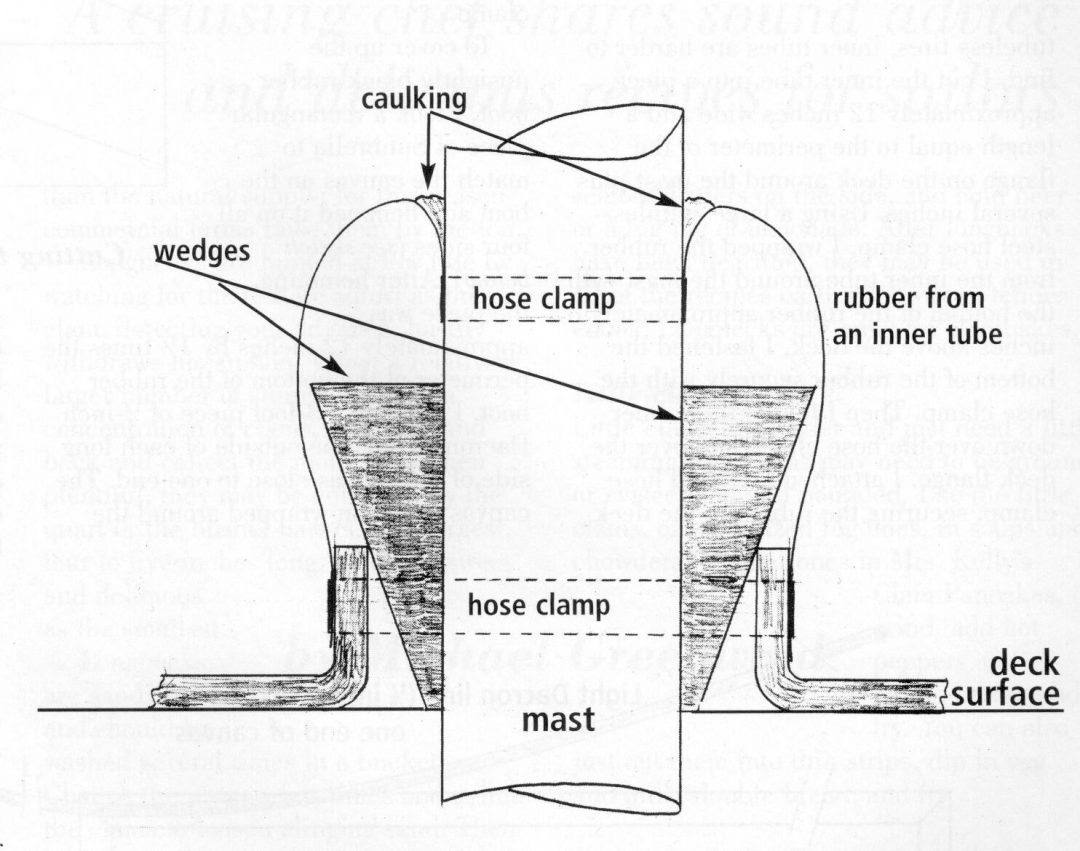
A small project that brings satisfaction and pride. An acquaintance raised the question concerning those little wedges that hold the mast in column on many boats. On a recent sail in blustery conditio...
A small project that brings satisfaction and pride. An acquaintance raised the question concerning those little wedges that hold the mast in column on many boats. On a recent sail in blustery conditio...

Vang/preventer: a fast, effective safety device I was guilty of contempt. Never a good thing, in this case it turned out to be a serious error. I had held a thunderstorm cell in contempt all morning. ...
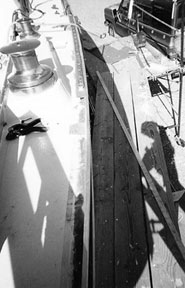
Beefing up a retired racer with aluminum My mate, Karlene, and I looked long and hard for a sailboat suitable for world cruising that we could afford. I’ve become convinced that boat speed is an...
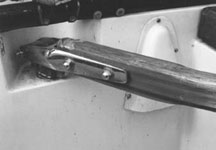
Epoxy, fiberglass, and a little cunning fix an old problem Tillers in some boats are known to break with regularity. If you’ve ever taken part in a drill of this nature, I don’t need to ex...
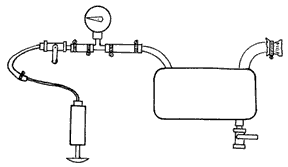
You’ve found your dreamboat, had it surveyed, and signed up for a long and happy relationship. The broker said it holds 20 gallons of fuel and 40 gallons of water. He didn’t say where the ...
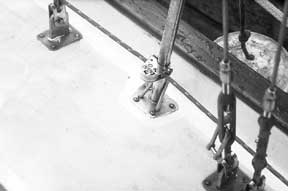
Bent stanchions and delaminated decks When we were unloading our boat following a recent week-long cruise, I noticed the midship stanchion on the port side was slightly bent toward the stern. It was a...

Your job requires a sealant. You don’t have to be a chemist to choose the right one. In my experience, there are always two things trying to get into your boat that you don’t want there: w...
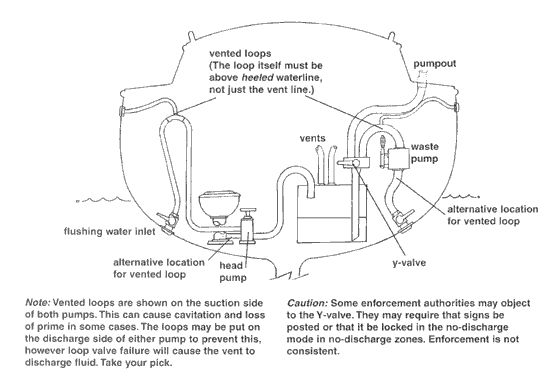
Build a one-off holding tank Like most good old boats, All Ways, my 28-foot Pearson Triton, was built with an overboard discharge marine head. Since my favorite cruising area was recently declared a N...
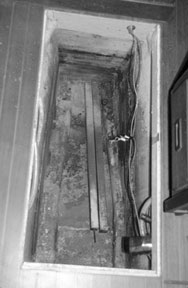
Rescue that rusting tank Tucked away under the cabin sole floorboards, the average fuel tank doesn’t get much attention from those of us who like to sail. In fact, it may be totally neglected un...
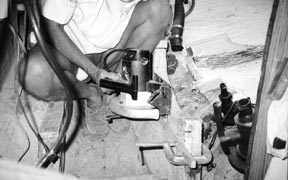
Well-known marine author Don Casey described how to remove the old engine from your good old boat. Now it’s time for the final exciting step … Even though engine brochures generally provide all ...
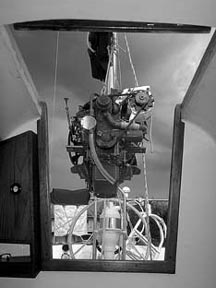
What you need to know before removing the old engine. The engine and shaft must be in precise alignment. This is the only hard, fast rule for installing a new engine in an old boat. Everything else yo...
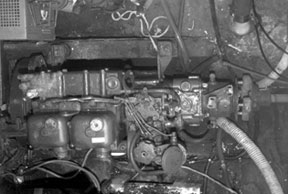
New engine or rebuild? And should you install it yourself? Chances are your boat is like a member of the family. You could no more dispose of it than sell your only child. But, inevitably, the day arr...
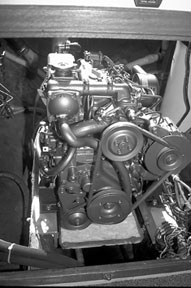
Tips on how to extract the old one and install the new one. In the September/October issue of Good Old Boat, we discussed the decisions to be made when the inevitable day comes that your power plant n...

Common on many newer stock boats, pushpit or stern pulpit seating is a great addition to any good old boat as well. The pushpit is the stainless steel framework aft of the cockpit. It’s an impor...

You may not be able to win the war, but you can win occasional battles. Regardless of the odds, you must fight! Now’s the time to meet your opponent. It’s the ultimate mismatch: you versus...

In a previously published article, I touched upon the use of a quick and easy way for the lone sailor to raise or lower the mast on the typical small cruiser. Ensuing months brought a number of inquir...
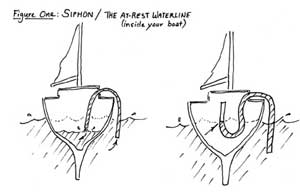
Guidelines for evaluating and installing wet exhausts The most popular sailboat exhaust system today is a wet exhaust system which includes a waterlift muffler. This system offers many advantages and ...
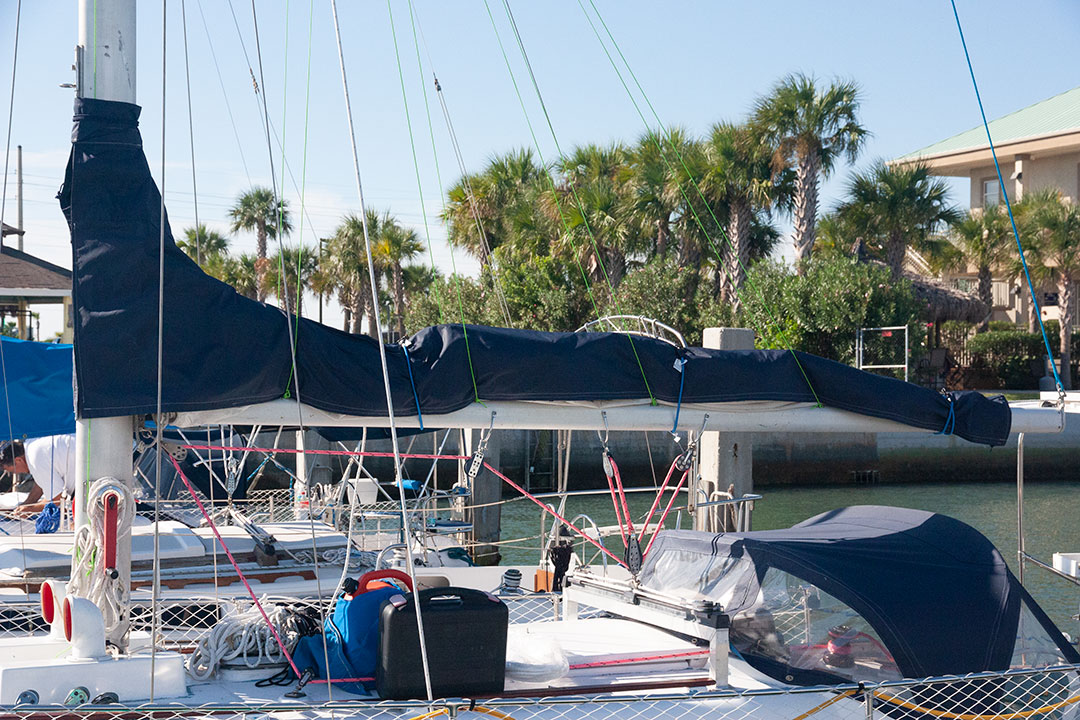
Take the pain out of the main, make your own lazy-jacks The easiest way for the shorthanded sailor to control the mainsail when reefing or stowing is a set of well-fitted lazy-jacks. Lazy-jacks are ma...
A 27-year-old outboard starts a newer, deeper life. I bought Brushfire, my 1975 San Juan 24, from the Sea Scouts. Before I agreed to the deal, the Sea Scouts offered to throw in an outboard as a sweet...
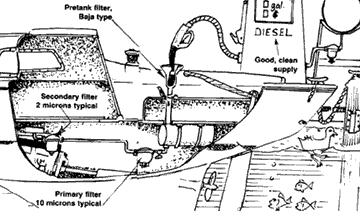
Picture a hot, windless Sunday afternoon as you power home on a glassy sea. Suddenly your engine slows and stops or overheats. Today of all days! You really did not need this, and it could have all be...

While economics favor the sloop, other rigs have much to offer The history of the fore-and-aft rig is a fascinating one. It is particularly interesting when you realize that two of the earliest fore-a...
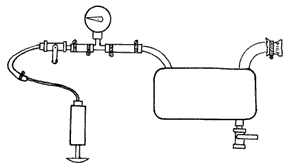
The epoxy “cure” One of the most annoying problems that can occur on a sailboat is a leak in the diesel fuel tank. If you don’t have the time, expertise, or courage to attempt to rep...
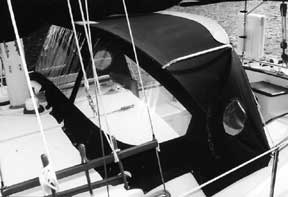
Handholds are an easy and inexpensive way to increase your security afloat Dodgers are not necessary – that is, if you’re a masochist or a Spartan who enjoys being hit in the face with wat...

Building your own (leakproof!) classic hatch When Mary and I bought our 1965 Alberg 30 we knew that replacing the forward hatch was going to be one of many projects. Down below there was no indication...

Swap your old plastic windows for salty new ports After buying our old 1965 Alberg 30, Mary and I knew that part of the renovation program would be the replacement of the old fixed windows with operat...
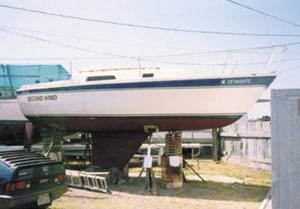
Whether a cosmetic or structural issue, a thorough investigation of any blister problem is warranted People often ask whether gelcoat osmosis problems – generically called “blisters”...
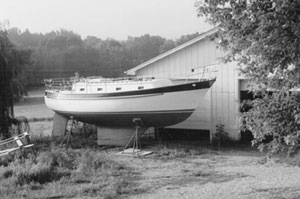
A bad case of blisters made the boat affordable; upgrades were the expensive part. It all started innocently enough. It was mid-October of 1990, and we were going to Texas anyway to visit cousins in S...

Spoil yourselves and get a really good night’s sleep while aboard Have you ever wondered what you have to do to get a boat with a decent-size bed? My wife, Cheryl, and I searched for six years f...
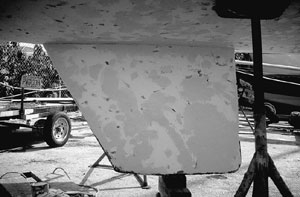
“The shock of discovering bubbles on your boat’s bottom is merely the prelude to a prolonged pain in the assets.” Boat pox, osmosis, or blisters . . . call it what you will. Most fib...
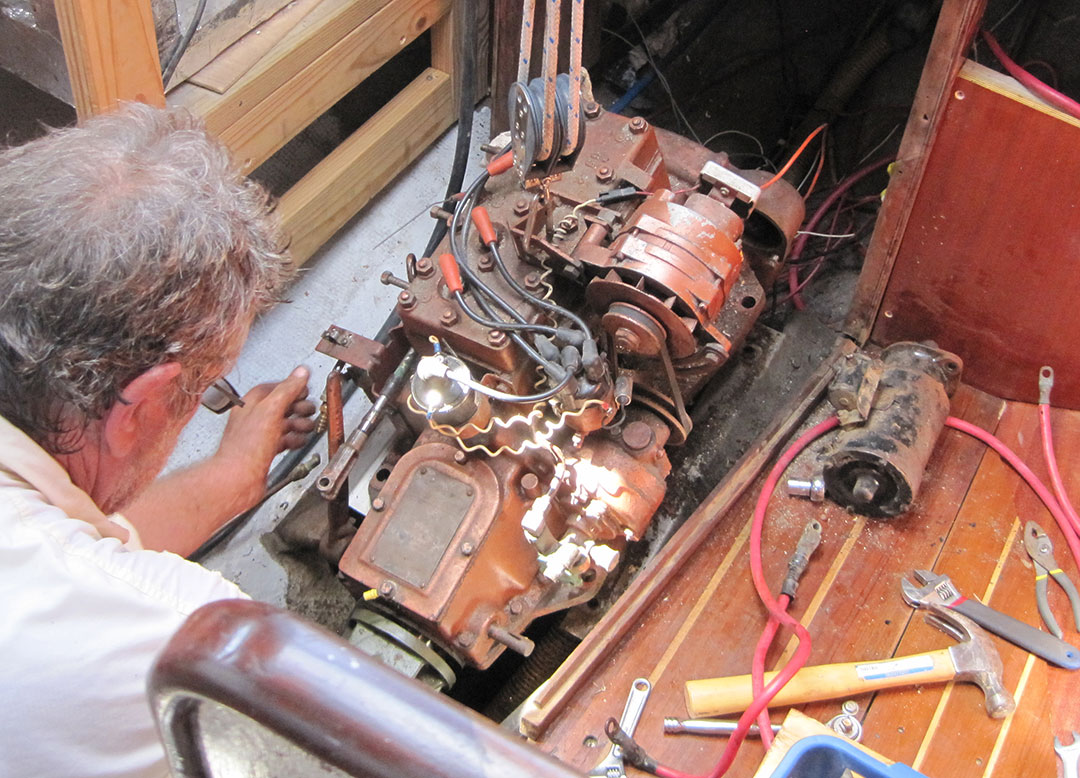
Diesel envy? Take another look at the gasoline engine that came with your good old boat If you own a sailboat, there is a good chance that you recognize the Atomic 4 engine by name, even if you don...