Evaluating three variations on a theme
Issue 93 : Nov/Dec 2013
In the article, “Defining a Pilothouse,” in the September 2013 issue, we looked at how the aft end of a sailboat’s coachroof is designed to meet various objectives. We saw how shapes can range from a low-profile house through gradual increases in height to culminate in the full pilothouse configuration that contains an interior steering and pilot station.
As noted in that article, when it comes to design aesthetics and interior amenities, size does matter. It is much easier to accommodate an attractive exterior profile as well as more sumptuous accommodations as the boat gets longer. Therefore, rather than examining some of the large number of 40-foot pilothouse sailboats on the market, I’ve chosen instead to focus on the much more challenging 36-foot size and have selected three examples to look at in some detail.
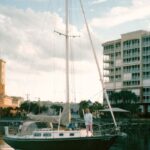
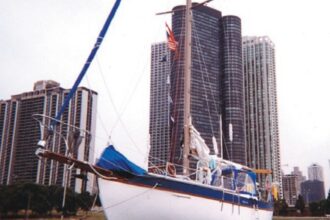
The Pearson 36 was the subject of Brian Coffay’s spectacular photo in the pilothouse article in the September issue. For that reason alone, it deserves to be included in this review, but it is also a very handsome boat from the drawing board of Bill Shaw. The Nautilus 36 was designed by my old friend and C&C alumnus Henri Adriaanse and built by Niagara Nautic in St. Catherines, Ontario. The Nauticat 36 is a mid-range example from the Finnish builder Nauticat, long known for its pilothouse and motorsailer models.
Interior choices
Each of these boats meets the true pilothouse criteria of incorporating a complete inside steering station and a separate exterior helm location aft. In addition, in each of these designs, the saloon floor in the pilothouse is raised to take advantage of the increased headroom and the improved view of the outside world, especially forward. However, only the Nauticat 36 has a full aft cabin. It’s under the cockpit sole that’s raised to create better visibility forward over the pilothouse from the outside steering station. The Nauticat also has the highest pilothouse of the three. The Nautilus 36 offers three variations of quarter berths aft, but each is at the same sole level as the pilothouse and located either side of the cockpit sole and engine. The Pearson has no berths aft of the pilothouse. Since the only berths are the V-berths forward, the Pearson is definitely a “couple’s boat.”
Potential performance
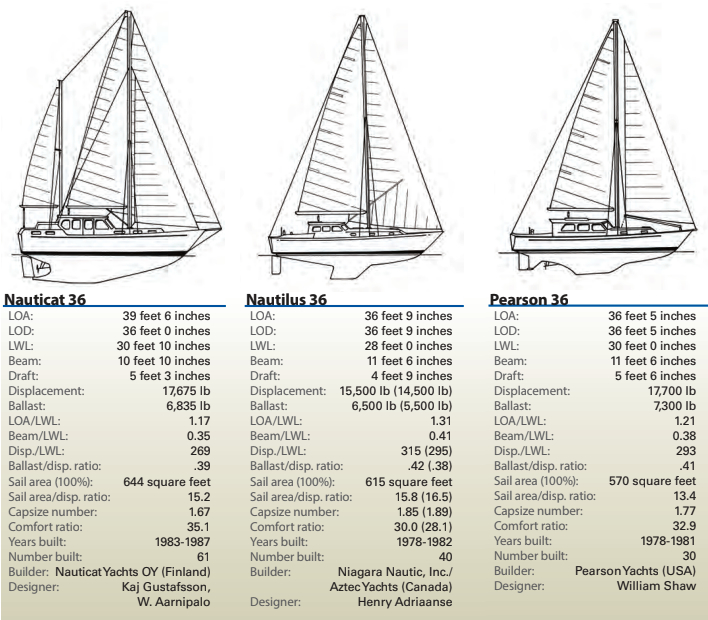
Our purpose here is to evaluate these three pilothouse boats on sailing performance. With that in mind, I’ll start with upwind performance, while recognizing that upwind passages on these boats may well be achieved with horsepower rather than sail power. For upwind performance, especially in light air, I’d give a conditional nod to the Nautilus, due primarily to its more efficient hull form of separate fin keel and cantilevered spade rudder. It also has a slightly higher ballast/displacement ratio, the highest sail area/displacement ratio, and the lightest displacement (see the sidebar at right) However, it’s a full 2 feet shorter on the waterline than the other two boats and the fin keel has the least draft, neither of which bodes well for it maintaining its advantage upwind in stronger winds.
Looking at the fin-keel underwater profiles of the Nautilus and the Pearson, it seems odd that, with a 3-inch longer overall length and similar proportions of bow and stern overhangs, the Nautilus would have a waterline length that much shorter than the Pearson’s. However, I have to work with the published figures, conflicting and confusing as they often are. The ability of the Nautilus to use overlapping headsails does make up for that deficiency in lighter air.
The Pearson 36 has the next best upwind keel configuration with a separate skeg and rudder but, based on the sail plan I have for it, the Pearson has no overlap in its jib but employs a self-tacking club boom. Although it lacks the sail area of the Nautilus and has the lowest sail area/displacement ratio of the three boats, the Pearson has the advantage in heavier air because of its longer waterline, heavier displacement, and a smaller sail plan that might not have to be reefed as early as that of the Nautilus. (The Pearson 36 in the photo in the September article has no club boom and uses a large furling headsail. This extra headsail area would help in lighter winds.)
Although the Nauticat has an even longer waterline and a larger sail plan, thanks to the mizzen and a J measurement extended by a bowsprit, the full-length keel with its large propeller aperture and greater wetted surface are not made for efficient upwind work. Nor is the ketch rig with double headsails a good combination for efficient windward performance. However, for reaching in any sort of breeze — which I expect these boats will do more often when under sail — the Nauticat’s longer waterline and double-headsail ketch rig may well make up for a less efficient underbody shape.
These boats are well within the margin of safety for the capsize number. They also have very acceptable comfort ratios. The Nauticat 36 has the highest, primarily due to its heavy displacement combined with a narrower beam.
In summary
All things being equal (and they never are), the Nautilus would be the best performer in lighter air, the Pearson in more breeze, and the Nauticat when reaching, especially in heavier air when her longer waterline and split double-headsail rig work best.
Aesthetically, my preference would be for either of the more traditional sailboats: the Pearson or Nautilus. Still, it’s hard to argue with the generous accommodations of the Nauticat, with its separate aft cabin, even though the raised cockpit does create a top-heavy appearance aft.
Rob Mazza is a Good Old Boat contributing editor. As well as being a lifelong sailor, he spent much of his adult life designing sailboats. Since he began his design career at C&C Yachts when that company was building boats that are still very popular, he knows firsthand what makes an old boat good.
Thank you to Sailrite Enterprises, Inc., for providing free access to back issues of Good Old Boat through intellectual property rights. Sailrite.com