Eye-catching reflective tape adds color
Issue 104 : Sept/Oct 2015
The reflective cove stripe on our 1981 C&C Landfall 35 had faded badly. To refresh it, we used a type of pressure- sensitive adhesive (PSA) reflective tape that we found gave us the right combination of aesthetics and reflectivity. The gold color we selected complements the brown/copper/varnished-teak accents on Lothario nicely, and tests with a flashlight demonstrated a distinct improvement in visibility at night.
We chose Type 1 engineer-grade ASTM D4956 PSA tape, which is rated for all-weather application on vehicles. Steve at the Reflective Tape Store (http://reflectivestore.com) was very helpful and sent samples prior to our placing an order. SOLAS and high- visibility DOT tapes are also available, but we thought these materials were too garish.
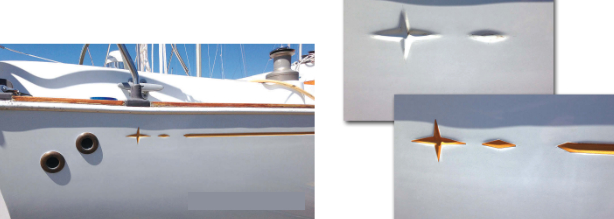
We applied the tape to the cove stripe indent while Lothario was secured in our slip. Although this not the best place to apply tape, save for a couple of wiggles visible to the applicator and not to the casual observer, the results were remarkable. The badly faded, formerly silver, factory tape just disappeared into the white gelcoat background. The new gold tape adds the intended accent.
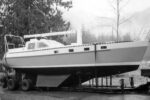
I stopped after one side, but once Lothario was hauled out, I rigged a continuous scaffold and completed the other side while she was in the cradle. Working from a stationary platform was certainly much easier, although applying a straight line is still stressful. This is definitely a two-person job. The PSA is aggressive and unsupported tape is very flimsy. The instructions admonish one not to stretch the tape.
Star treatment
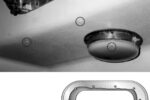
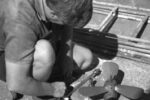
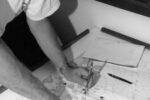
While admiring the cove stripe from afar (so as not to notice the minor wiggles), I eyed the star and diamond decorations at each end of the cove stripe that identify the C&C brand. These were originally painted gold and had long since mostly weathered away. By experimenting, I developed a satisfactory method to restore these molded accents to new glory. The tape substrate allows considerable elongation and conformed well to the molded detail. I first tried cutting the shape with the release layer still attached and then placing the sticky strip accurately in the moldings, but rejected this method after many attempts. I found it better to cut the tape to length, mold it into the depression then trim to the outline with a razor knife and straightedge. Since only light pressure with a sharp razor knife is required to cut the tape, I didn’t harm the underlying surface.
I had to finesse some of the outlines as the molding is not exact. There were “witness lines” to guide me: faint edges where the paint had masked years of topside polishing. I first used painter’s tape to flag the landmarks and later made guidelines with fine pencil marks.
Brightening the cove stripes was an inexpensive and relatively easy task that enhanced the look of our boat considerably.
Dean Hedstrom started racing inland scows in 1961 and transitioned to cruising. He and his wife, Sandy Jacobsen, cruise the Apostle Islands on their C&C LF35, purchased new in 1981 and now very much a good old boat. Dean holds USCG Master Mariner credentials and is a Registered Professional Engineer, Master Electrician, and instrument pilot. Woodworking and skiing fill the off-season. Mostly, he likes simply messing about in boats.
Thank you to Sailrite Enterprises, Inc., for providing free access to back issues of Good Old Boat through intellectual property rights. Sailrite.com