Faux-teak lessens annual maintenance tasks

Issue 54 : May/Jun 2007
While I appreciate brightwork on a sailboats’s deck, I’m not one who enjoys the annual maintenance that usually accompanies such esthetics. When we began our search for a new boat, this was an important consideration.
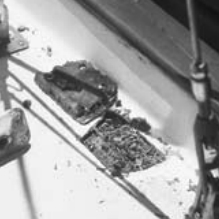
We eventually purchased a Pearson 28-2 that, for our tastes, has about the right amount of teak brightwork to enhance its sand-colored deck, while not accompanied by a heavy maintenance burden. As is the case with all sailboats, there is that one exception: the wooden rungs on the swim/boarding ladder. I’m sure that at one time the rungs on our ladder were made of teak, properly secured with rustproof fasteners, and judiciously maintained. However, years of use/abuse had taken their toll and, after being long ignored, they needed attention.
Rather than recondition, we opted for replacement. For about $100 I could replace the six rungs with new teak milled for a custom fit. Not a king’s ransom, but we would also be buying future maintenance chores. There had to be another way.
A visit to the boat show uncovered a marine “lumber” made from recycled plastic milk jugs (polyethylene) called PlasTeak. It is UV-stabilized and colored throughout. It won’t rot or stain and is resistant to salt water and most chemicals. For about the same cost as teak, I had wider rungs fabricated and milled out of the PlasTeak. I mounted them using conventional stainless-steel wood screws and, in a few minutes, the project was history and so was all future maintenance on our swim ladder.
How does it look? From about 6 feet away and without careful scrutiny, it’s awfully hard to tell the difference between the PlasTeak and real teak. In fact, my wife is thinking about replacing our boat’s teak toerail next.
Thank you to Sailrite Enterprises, Inc., for providing free access to back issues of Good Old Boat through intellectual property rights. Sailrite.com