Rallying to the call of the Baja Ha-Ha
Issue 80 : Sept/Oct 2011
Richard Spindler, founding editor of California’s regional sailing magazine, Latitude 38, has led his annual Baja Ha-Ha rally from San Diego to Cabo San Lucas since 1994. The Grand Poobah, as he is called, has tweaked and refined the rally over 17 years to make it the premier event for West Coast cruisers headed south. They experience coastal and bluewater sailing on the first leg to Turtle Bay, an easy anchorage where fuel and some supplies are available. Then the Poobah ratchets it up on leg two, where the anchorage at isolated Bahia Maria is windy and the surf is rough. By leg three, cruisers are ready to handle the Sea of Cortez eastern capes or mainland Mexico.
Although the Ha-Ha is not as challenging as some East Coast rallies, applicant skippers are expected to have well-found boats and some overnight ocean voyages under their belts. Liability waivers and the notice of race make a clear statement: “Anyone not seeking a high-risk activity or not willing to accept full responsibility for injury and/or death — no matter what the cause — is not eligible for entry.” Strong words. However, it’s good to know that the U.S. Coast Guard keeps track of the fleet to the U.S. border, from where the USCG-trained Mexican Pacific Navy maintains a presence down the full 750-mile length of the barren Baja coast.
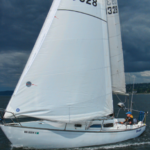
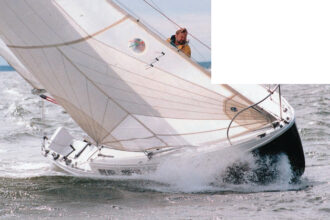
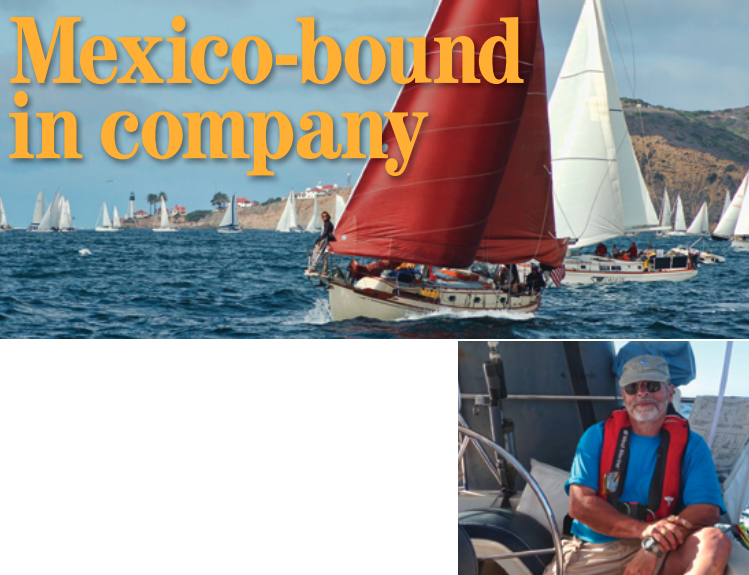
Last October, after two years of preparation and boat upgrades, I sailed my 1980 C&C 34, Legacy, with a crew of two from San Francisco to San Diego to join the fleet. There we found about 140 boats that had sailed from Canada, Washington, Oregon, and California to join Baja Ha-Ha XVII. Along with Assistant Poobah Andy Turpin, and skipper Dona de Mallorca, Richard was once again on hand to shepherd the flock of monohulls, multihulls, and powerboats from the mother ship, his 63-foot catamaran, Profligate.
The 2010 event started in San Diego on October 24. After the captains’ meeting and a detailed orientation, I donned my costume and stepped into the traditional send-off party in the West Marine parking lot. My $300 entry fee ($350 for larger boats) included food, fun, and a Ha-Ha ditty bag full of swag from the various sponsors: cap, T-shirts, and loads of other stuff, plus a large Ha-Ha flag to fly proudly.
Sunny start to leg one
On October 25, all the boats — with most skippers and crew in costume — streamed into formation for a parade past TV crews near the police dock and out to the starting line. The post-El Niño weather had given us uncharacteristically wet weather and lumpy seas with mixed NW and SW swells. But, that day, we saw sunny skies with wind that took us past the Coronado Islands and across the Mexican border on our three-night first leg past Cedros Island to Turtle Bay. We chose to sail leg one about 30 miles offshore, where there was more wind.
The morning radio routine while under way included the Poobah’s 0700 SSB net followed at 0900 by a VHF weather broadcast and announcements. Cruisers reported their 0600 positions on SSB by rally divisions, which are based on size and rating. The many boats without SSB were able to relay their positions via VHF to other boats that had SSB. Procedures were well organized. It took about an hour for 140 boats to report in and get questions or issues addressed.
At the end of the first leg, we anchored for two nights in Turtle Bay. The water was 73 degrees — 22 degrees warmer than in San Francisco! I dove in wearing nothing but my Speedo to cut crab pot lines that had fouled Legacy’s propeller. From here on, everyone wore shorts and wide-brimmed hats.
Pangas refueled us with clean diesel at Mexican Pemex prices. Boaters who didn’t want to risk their dinghies in the surf used air horns to hail pangas for a ride to the beach party ($2) and back ($3). Other Ha-Ha boats shared the fish they had caught along the way.
The party moves on
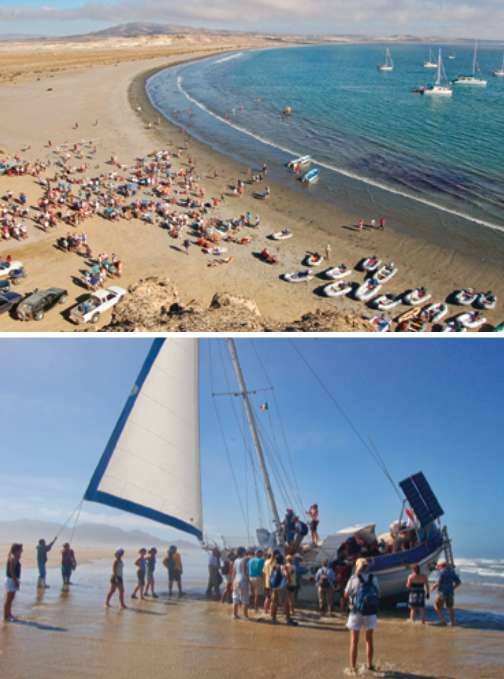
Leg two was a three-day sail to Bahia Santa Maria, just north of Magdalena Bay. This remote fishing village puts on a beach dinner each year for the Ha-Ha. Because there are no roads much of the way, the rock band drives overland from La Paz in off-road vehicles. They plug into their own generator and play for tips. The village makes half its annual income on the Ha-Ha dinner and the band makes a lot of money too.
While the fleet was in Bahia Santa Maria, a southbound singlehander, who was not in the Ha-Ha, fell asleep and his boat, on autopilot, went ashore on the wreck-strewn coast outside the Bahia. The Grand Poobah and some 50 Ha-Ha boaters helped the skipper salvage everything from the boat, which was too far into the shallows for the Mexican Navy cruiser to be of assistance.
Leg three to Cabo, where we arrived November 4, was an overnight sail. There was no wind close in or far out, so most of the fleet motorsailed 5 to 10 miles offshore over gentle seas. But we were hit with 25- to 30-knot headwinds as we rounded the cape. The unusual east wind off Cabo was forecast to moderate, so many boats anchored on the lee shore. Bad idea. They rocked and rolled until most finally surrendered and sought shelter in Cabo Marina, where most of the Ha-Ha boats were accommodated. My boat was rafted up three deep with six others on an end tie, but even with the Ha-Ha discount I paid about $90 per night.
My crew vacated to land accommodations as soon as we arrived. The next day, I paid an agent to do the entire captain’s port check-in for me. The final day’s beach party ended late Friday night. Hundreds of people from the rally attended the traditional Ha-Ha award ceremony Saturday night in the parking lot of Cabo Marina.
Our passage from San Diego to Cabo, including the stops at Turtle Bay and Bahia Santa Maria, took 11 days. Over my entire 4-week, 1,500-mile voyage from San Francisco, where I started, to La Paz (I singlehanded after Cabo), my good old C&C 34 proved to be strong and seaworthy.
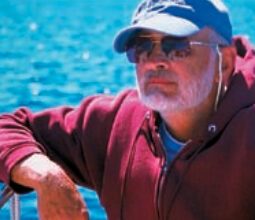
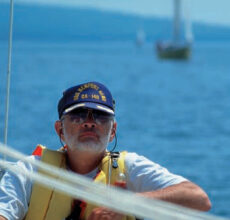
Lewis Keizer began sailing in 1980 and is a licensed captain and an officer in Capitola USCG Auxiliary 6-10. He sold his C&C 34 in La Paz after sailing it there from San Francisco, and now owns a good old Ranger 29 that he singlehands in and around San Francisco Bay.
Thank you to Sailrite Enterprises, Inc., for providing free access to back issues of Good Old Boat through intellectual property rights. Sailrite.com