Issue 27: Nov/Dec 2002
IT OFTEN SURPRISED ME THAT WHILE OUR EASTWARD HO 31 HAD lots of empty space, much of it was inaccessible. The area under the galley and behind the molded-in liner, for example, was just dead space with no way to use it.
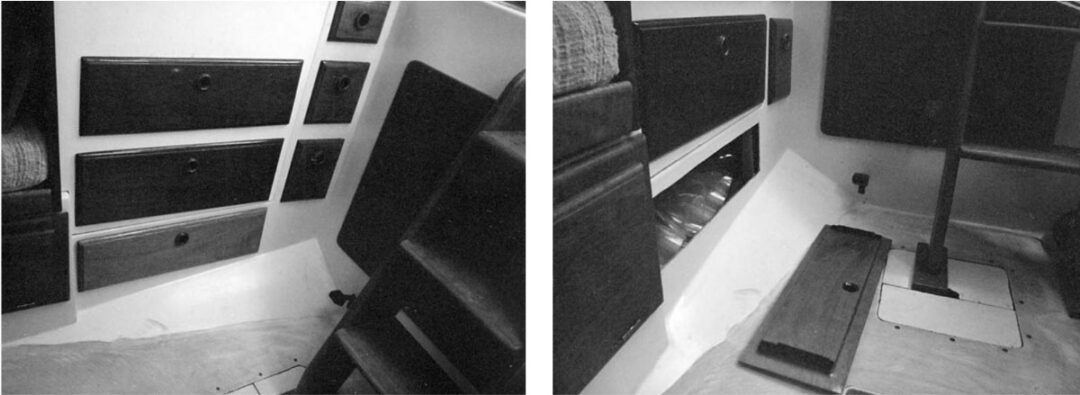
The galley had a built-in, two-burner propane stove with a microwave below it. The dead space was just beneath that. Eventually, I rebuilt the galley by throwing out the microwave and putting three drawers in its place. Two were for tools and one was for utensils, but there was still more space left . . . if only I could reach it.
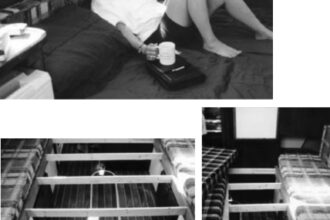
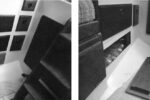
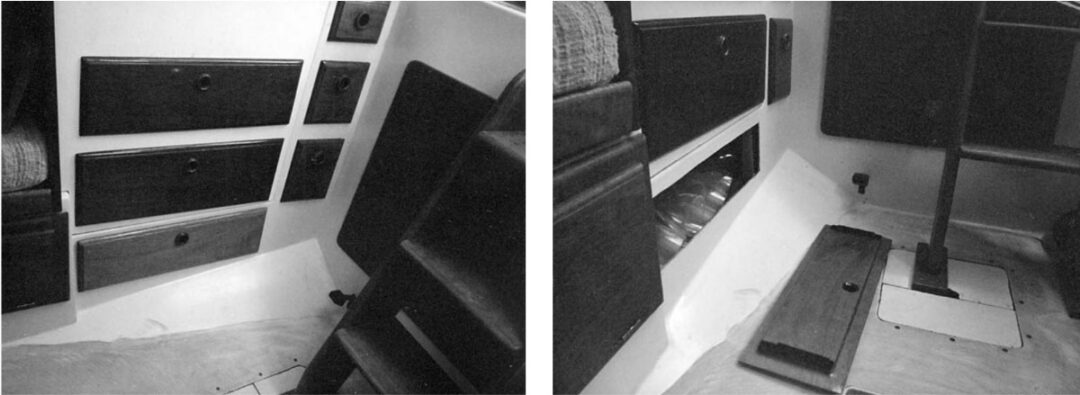
With pencil in hand, I outlined a narrow rectangular opening on the face of the liner. I cut out the liner and found, as expected, a space about 22 inches long by 18 inches deep. It sloped up to meet the hull curvature and was 4 1⁄2 inches high at the inboard face.
This was just right for the plastic wineglasses that were cluttering up the dry-stores cabinet. These are the kind you use in a quiet anchorage when you are tired of “roughing it.” They may be plastic, but they look like glass and add a degree of elegance to a dinner in the cockpit. To store them, my wife was pushing for one of those teak grates that hang from the overhead. The trouble is that these hanging racks work best on a powerboat.
The area under the galley was a perfect fit for the glasses. The next challenge was how to close it off and keep the glasses in place. The storage area would need a front of some kind. There was no room for a hinge, and a hinged panel would be too easy to step on and break.
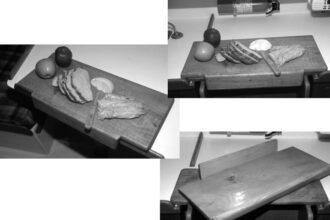
Velcro to the rescue! I made a varnished faceplate that matched the drawer fronts I had made above it. Next I built two vertical posts and used quick-setting epoxy to attach them on the inside of the opening, set slightly in from the ends of the cutout. To these I attached Velcro. I attached mating Velcro pieces to the false drawer front. To close the space, I simply press the false front into the cutout in the liner. It won’t hold much weight, but it works just fine for our lightweight, yet bulky, glasses. We have been heeled at 20 degrees under sail, and the panel has not opened.
Thank you to Sailrite Enterprises, Inc., for providing free access to back issues of Good Old Boat through intellectual property rights. Sailrite.com