If you’re a frustrated splicer, read this and take heart
Issue 40 : Jan/Feb 2005
Almost every boat has some double-braided line aboard. In most cases, the ends of the lines are ragged and sloppy. Many people use tape instead of whipping or splicing or resort to knots to fill in for eye-splices. With a bit of effort and patience, however, everyone can learn to splice double-braided line. I think most people are simply intimidated by it. However, splicing double-braid is not that much more difficult than splicing three-stranded line. The results will make your boat look more shipshape, and it will be safer too.
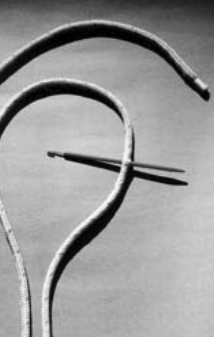
As tempting as it may be to start with the eye-splice, I recommend against that. I assume you will make your first splicing attempts with used line that you have aboard. While this may be economical, starting with an eye-splice will create a level of frustration that will send you looking for duct tape. The eye-splice is very difficult with old line. I suggest instead that you start with a back-splice. I see very few boats with back-splices in the lines. This splice can be done with old line without too much difficulty. It will provide a level of confidence that will help you when you do get to the eye-splice. It will also help give you a foundation for the concept of the eye-splice.
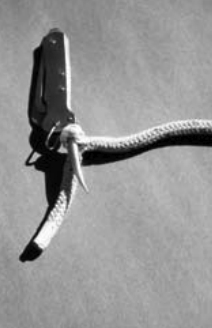
There are different brands of splicing kits available. I was told when I started that they were equal in terms of ease of use. I was also told that whichever one I started with is the one I would like better. Well, I have both sets now. There are good qualities in both sets, and I tend to use different tools for different splices. This is not to say you should buy both at first. I would say to buy the set you want or feel you would have better success with. Either set will serve your needs. There are times when I use straightened coat-hangers too. Some of my training came from another sailor who has done a lot of splicing in larger lines for ships. He generally uses coat-hangers or other long, stiff wires. Either way you will need a few supplies that you probably already have:
- a very sharp knife
- sharp scissors
- splicing tool/s
- sharp-pointed marking pen
- electrical tape
- a small fid or marlinespike
- a good length of line
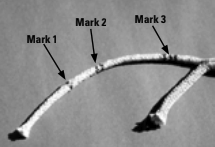
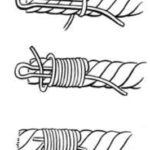
Follow the instructions and pictures here and you will succeed with your first backsplice. As you finish up the splice, the way it comes together will amaze you.
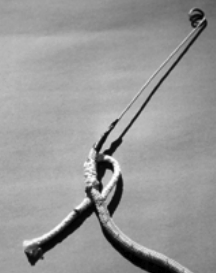
Once you have accomplished a few back-splices, you will be ready to tackle the eye-splice. For that project I suggest that you buy a length of new double-braid designed for docklines. It is easier to work than the line used for halyards and such. It will make your first attempts less frustrating.
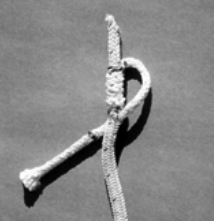
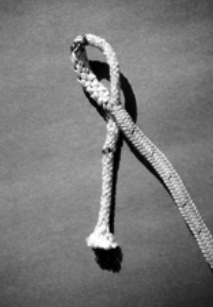
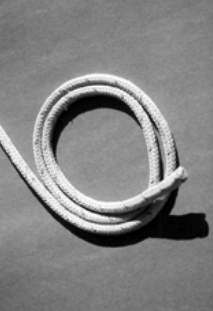
Once you have mastered splicing double-braid you will be far ahead of most boatowners. You will be proud to have a boat that doesn’t sport a lot of cows’ tails. Your boat will look more shipshape and be safer. Splicing well provides a sense of inner satisfaction that is hard to duplicate.
Thank you to Sailrite Enterprises, Inc., for providing free access to back issues of Good Old Boat through intellectual property rights. Sailrite.com