Electric power for the independent sailor
Issue 69 : Nov/Dec 2009
Wind power is a form of solar energy — winds result from the uneven heating of the atmosphere by the sun. To generate electricity, a wind generator converts the kinetic energy of the wind into mechanical energy and then into electrical energy.
Types of wind generators
Wind generators vary in size from the 20-story Hawaii generator, with a blade diameter the length of a football field, to the relatively small ones used aboard recreational sailboats. They all deliver electricity without polluting the air but do have some disadvantages. They can be noisy, they are not always thought of as pretty to look at, and they have the slight potential to kill birds.
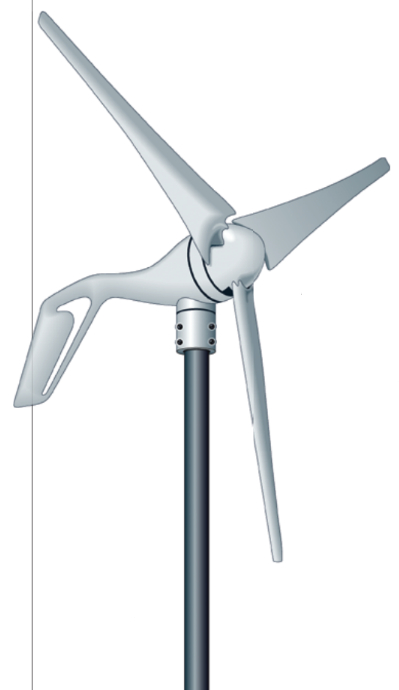
Wind generators of many different designs are used aboard boats. Some generate only enough power to trickle-charge a battery; others are capable of generating 100 watts or more in a favorable wind.
Although wind generators can be used as the sole source of electrical energy on sailboats, they are most often used in combination with solar panels and the engine’s alternator.
Wind generators may vary in appearance but they all have similar basic components.
The rotor includes the rotating blades, which are mounted on an axle coupled to an electric generator.
In most cases, the electric generator is an alternator, which generates alternating current. The driveshaft of the alternator turns permanent magnets inside a housing of electric coils. The alternating current generated in the coils is then rectified into direct current. In better generators, these coils are completely encapsulated to reduce corrosion.
In many designs, the electrical current is transferred from the generator to the output cable via slip rings, a feature that allows the wind generator to rotate through a full 360 degrees to face the wind. Some wind generators don’t use slip rings. As a result, on these models, the output cable can become wrapped around the support mast.
A few wind generators turn a motor-type generator that creates direct current. However, in such a generator, the commutator with its brushes and springs requires more maintenance, can be subject to corrosion, and is a potential source of electrical interference.
A wind generator needs a mounting tower and also must have a speed-control system. Some wind generators are also fitted with shutdown systems that, in the case of a component failure, will stop the blades from rotating and disconnect the output if it’s too high or if the heat being generated is too great.
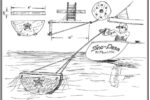
Multi-purpose generators exist that can be driven by wind blades or, with the wind blades removed, by a water propeller towed from the stern of the boat. In the right conditions, a water propeller may provide enough electricity while under sail to power an electric autopilot or an electronic navigation system.
The necessity: wind
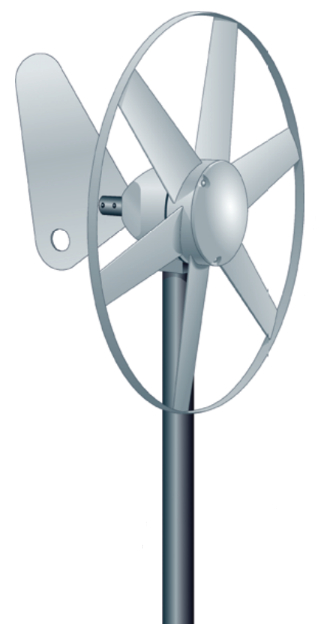
The major problem with wind power is the intermittent nature of the wind, which varies greatly with location and time of day. Since the wind may come from any direction, the horizontal-axis wind generator must be able to rotate so it faces into the wind. This usually requires that a wind generator be mounted on a tower, a very sturdy pole or, in the case of very small units, hoisted on a halyard. These precautions keep the blades out of the way of wayward lines, hands, and heads. Some wind generators have an outside ring around the tips of the blades to reduce the possibility of fouling or injury.
The power available from the wind varies as the cube of the wind speed. Thus, if the wind speed doubles, the theoretical potential power available is eight times as great. If this energy can be efficiently converted by the wind generator, strong wind conditions, even for a brief time, can therefore supply a considerable amount of electricity.
Also, for horizontal-axis wind blades, the power generated is proportional to the area swept by the blades. Since the area of a circle is directly proportional to the square of its diameter, if the diameter of the blades is doubled, the theoretical electric power available is four times as great.
Selecting a wind generator
In selecting a wind generator, the primary interest for most cruisers should not be the highest current output available in high wind conditions but the current output in the normal 5- to 15-knot wind range. The physical size of the generator — rotating blades and all — as well as the available mounting space is also of prime importance. Other deciding factors will be whether the vibration and noise at high wind speeds are acceptable and the reputation of a device’s manufacturer.
Don Launer, a Good Old Boat contributing editor, has held a USCG captain’s license for more than 20 years and has sailed the East Coast from Canada to the Caribbean. He built his two-masted schooner, Delphinus, from a bare hull. His new book, Navigation Through the Ages, was published by Sheridan House last June.
Thank you to Sailrite Enterprises, Inc., for providing free access to back issues of Good Old Boat through intellectual property rights. Sailrite.com