Give your jib’s roller furler some needed support
Issue 100: Jan/Feb 2015
Headsail roller-furling systems have become ubiquitous. Walk the docks or scan the mooring field and you’ll quickly confirm that they’ve become the norm for boats large and small, racers, cruisers, and daysailers. It’s for good reason: furlers have evolved into dependable, rugged gear we can’t imagine living without. Heck, a whole new generation of sailors wouldn’t recognize a sail hank if they saw one.
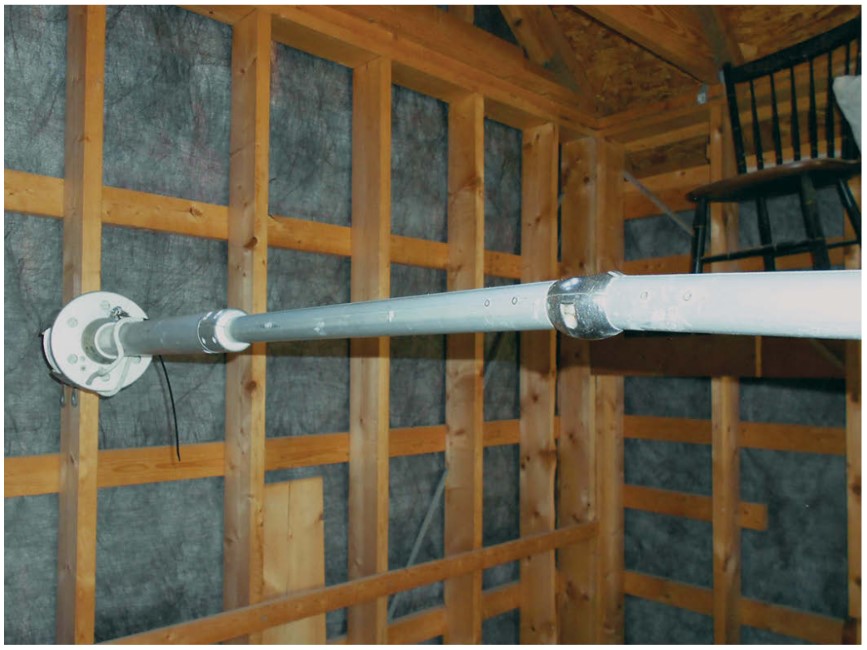
As tough as furling systems are, they’re at their best while set up and in service. Many systems reveal an Achilles’ heel when the rig is unstepped for winter storage or for transport. If it’s not handled carefully, the furler is vulnerable to significant damage that’s difficult and time-consuming to repair. Worse yet, the parts required for a repair may no longer be available.
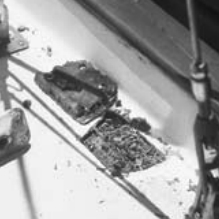
The weak element is the sail-luff boltrope feeder that joins the aluminum extrusions. The significant weight of the drum can put a lot of stress on this component, causing bending fatigue and eventual failure. When the boatyard handles the spar between sailing seasons, plenty of opportunities arise for rough handling that can cause damage. The components are particularly at risk when stored horizontally and while being transported over the road. A deck-stepped spar makes the problem more acute, because it is not long enough for the whole length of the headstay and furler to be lashed to it for support.
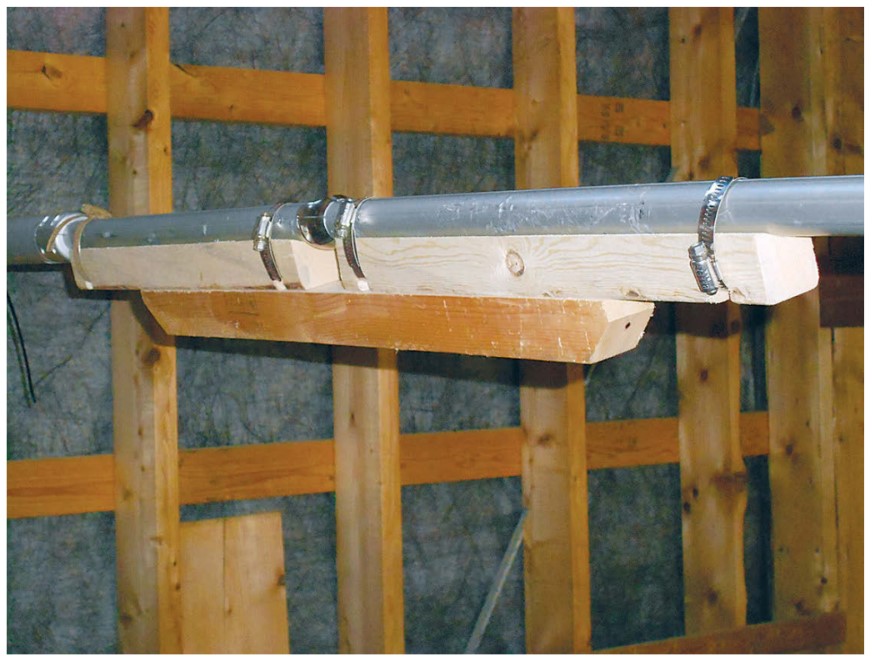
One solution is to provide the needed rigidity with a strongback. Your boatyard workers will breathe a sigh of relief when they see what you’ve done to help them safely handle your furler. Perhaps most important, your sailing season will start on time without delays for repairs.
From problem to problem solved, making my strongback took me less than 20 minutes, some scrap material, a few screws, glue, and four too-good-to-discard hose clamps. This system goes in place after I strip the sails off prior to storage and stays in place until I reverse the process in the spring.
Our good old boats give us enough maintenance headaches to keep us busy. This is one potential problem that’s easy to prevent.
Art Hall, his wife, Sandy, and their not-so-inclined-to-sail Pekingese, Kitri, can be found sailing Secret Water, their Allied Seabreeze 35, on Penobscot Bay, Maine. Occasionally they’ll push way Down East for some solitude. A significant enjoyment while cruising is exploring “eel ruts” in their Peapod dinghy, which is set up with two rowing stations.
Thank you to Sailrite Enterprises, Inc., for providing free access to back issues of Good Old Boat through intellectual property rights. Sailrite.com