Extend your time cruising … in comfort
Issue 50 : Sept/Oct 2006
Heating your boat in the off-season make sailing more enjoyable and extends your time on the water. For any planned heater installation, three things must be considered: ventilation, insulation, and safety.
Moisture is constantly being produced in the cabin from breathing, condensation, cooking, and open flames. This moist warm air must be replaced with dry cool outside air, even though this seems counterproductive. Ventilation is necessary to reduce the moisture in the cabin and to maintain proper oxygen content in the cabin air. Also, since any flame from either a stove or a heater can be potentially lethal, a carbon monoxide monitor is mandatory.
Insulation is important, not only for heat conservation, but also since a well-insulated boat will produce less condensation.
Types of heaters
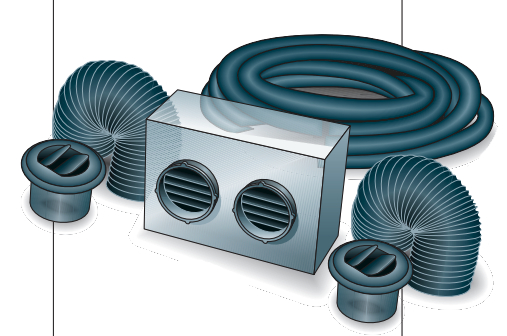
Hydronic heaters – While motoring, your engine is an excellent source of heat. Using an automobile-type heater with a blower (built to marine specifications) allows you to use the heated engine coolant to heat the cabin, just as with an automobile. These heaters are often marketed as hydronic heaters. When motoring on a cold day, the “free” heat that is normally wasted helps makes the cabin snug and cozy with 28,000 to 40,000 Btu/hr available. Kits can be purchased for the conversion, which will also allow this heat to be ducted into separate cabins.
Electric heaters – If you are at a dock with adequate shorepower, an electric heater is very convenient. This can be either a portable heater or a bulkhead-mounted recessed heater that is hard-wired into the boat’s shorepower system. This is convenient at the dock but doesn’t solve the problem when you’re out on the water, unless you have a very large generator.
Unvented kerosene or propane floor heaters – Any unvented open flame in the cabin produces huge amounts of moisture and eats up oxygen, so this heating option requires a very large amount of ventilation (outside air). Coupled with the possibility that the heater could tip over, this choice is a poor one.
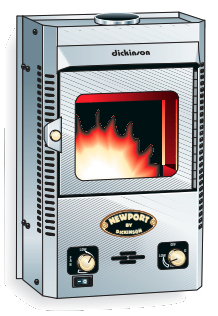
Bulkhead-mounted vented LPG heaters – A bulkhead-mounted vented liquefied petroleum gas (LPG) cabin heater provides a high heat output and a clean-burning flame, with the only electric drain being the LPG shut-off solenoid and, in some cases, a small fan drawing less than two-tenths of an amp. As with all LPG installations, American Boat and Yacht Council (ABYC) specifications must be followed in the installation and operation for safety reasons. All deck-vented installations require a “smokestack” on deck — a Charlie Nobel. This usually requires a compromise between the ideal interior location for the cabin heater and the ideal deck location for a stack. About 3,000 to 11,500 Btu/hr can be expected.
Physically, this cabin heater resembles the bulkhead-mounted kerosene or diesel heater.
Bulkhead-mounted vented kerosene or diesel heaters – This is a common heating system aboard sailboats. It requires no electricity, the moisture it creates is vented outside, it burns easily available fuel, and it is not complicated to maintain or repair. However, pre-heating is necessary when lighting the heater. On sailboats, the deck location for the stack is very important. It must be positioned so that it doesn’t interfere with deck work and is not subject to backdrafts from a dodger or other deck gear.
Ducted gasoline/kerosene/diesel/LPG forced-air heaters – A ducted forced-air heater has the advantage of being able to supply heat to several cabins. It does not use the cabin air for combustion but is otherwise very similar to a home’s oil-burner furnace. Since this type of heater requires a powerful fan and a fuel pump, as well as a glow plug for ignition, this installation has a relatively high current drain. This type of heater is available for gasoline, kerosene, diesel, or LPG fuel.
Fireplaces/stoves – These small, vented fireplaces burn solid fuel in the form of charcoal briquettes, coal, or wood. Although they have a special charm and produce a very dry heat, they have disadvantages: cleaning and disposal of ashes are difficult, and the vented smoke can stain the cabintop, sailcovers, and sails.
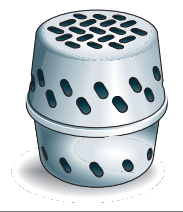
Alcohol heaters – These self-standing heaters are non-pressurized rustproof heaters that require no priming. Instead, an absorbent material is saturated with the alcohol fuel (which helps prevent spills). Heaters of this type can also double as single-burner stoves. The downsides are the alcohol aroma, the high price of the heating fuel, and the lack of venting.
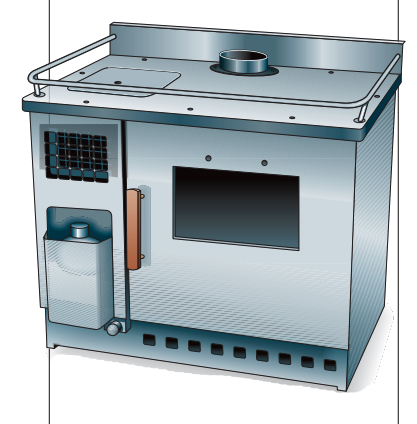
Diesel ranges – Diesel cooking stoves are seldom seen on recreational sailboats, except on large boats operating in very cold climates, where the stoves double as cabin heaters. Diesel stoves, which are usually quite heavy, provide a very hot flame and, in a boat with a diesel engine, the fuel can be supplied from the engine’s fuel tanks. Pre-heating the burner is necessary, and diesel stoves must be vented through a stack on deck, where the precautions of interfering with deck work and possible backdrafts must be contended with.
Aladdin lamp – The kerosene Aladdin lamp, which uses a fragile mantle, produces a bright light as well as a large amount of heat. In the evening, when both light and heat are required, very often the Aladdin lamp will supply both needs. Ventilation is required for this unvented flame, and heat is not available without the associated bright light.
Thank you to Sailrite Enterprises, Inc., for providing free access to back issues of Good Old Boat through intellectual property rights. Sailrite.com