A self-basting engine no longer fouls the bilge
Issue 109 : Jul/Aug 2016
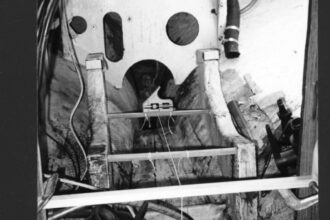
Most new sailboats with an inboard engine have a molded pan in the engine space to contain oil and fuel spills so they don’t get into the bilge. On many older boats, like my Paceship 26, there is either no such space or the molded pan has been modified over the years to accommodate bilge-pump lines, drains, or other improvements. Engine compartments like these do little to stop oil leaks from getting into the bilge and, worse, from being pumped overboard, inviting huge fines from the U.S. Coast Guard.
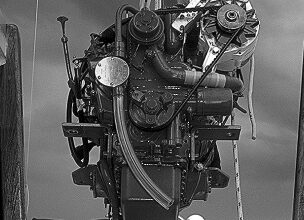
A few years ago, I replaced my old Yanmar YSM8 with a Yanmar 1GM10. Changing oil on the old Yanmar was a messy job, as it had no oil filter as such. The idea was that, if the oil was replaced regularly, dirt deposits wouldn’t have a chance to condense and cake the bottom of the oil pan, especially if the recommended detergent oil was used. It may be possible to replace the oil in that engine and never spill a drop but I never got the knack of it.
The new engine has spin-off filters that are guaranteed to spill. I made do by lining the bilge with oil-absorbing cloths, and discovered that baby diapers, such as Pampers, worked if you wrapped them just so under the filter. Sometimes.
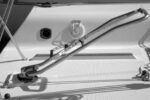
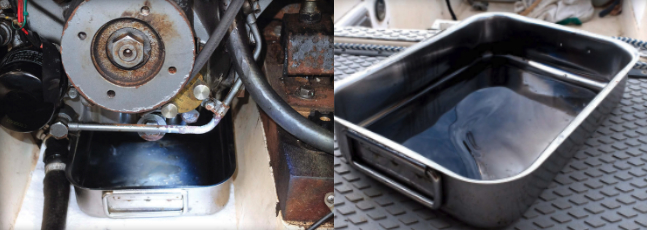
What I had to do was find something that fit into the space under the engine and between the engine beds. Since it was a small engine, I had to find a small pan, preferably of stainless steel. After trips to several kitchen supply stores, several hardware stores, and a few supermarkets, I had my answer: a small stainless-steel basting pan. Most of the pans I found were too big, but someone with a larger engine, say a Perkins or Universal, would probably find a suitable pan on the first try at a supermarket.
The one I finally found fits perfectly and, most conveniently, has a handle on the end. About 7 inches wide, 10 inches long, and 2 inches deep, it’s a perfect size for catching my boat’s mystery oil leak from under the oil pan — about a tablespoon every 6 hours’ running time — and spills from oil filter changes. It’s easily shifted around, so it also comes in handy when I replace the Racor fuel filter.
Cost? About $10 for a small one like mine.
Cliff Moore is a Good Old Boat contributing editor. His first boat was a Kool cigarettes foam dinghy with no rudder or sail. Many years and many boats later, he’s sailing Pelorus, a 26-foot AMF Paceship 26 he acquired and rebuilt after Hurricane Bob trashed it in 1991. He is the editor of a community newspaper.
Thank you to Sailrite Enterprises, Inc., for providing free access to back issues of Good Old Boat through intellectual property rights. Sailrite.com