A memorable magic moment in the moonlit Marquesas
Issue 32 : Sept/Oct 2003
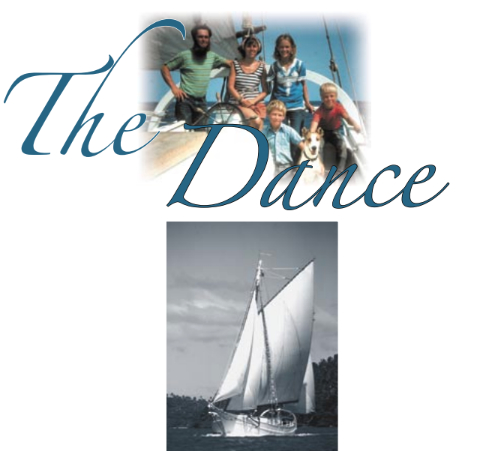
“Come in . . . come in. . .” the call floated across the water like a melody. The coconut palms on Tahuata shimmered in the moonlight as my husband and I looked at each other, tempted. After a slower-than-expected passage, we had arrived at dusk, off the Marquesas Island village of Hana Moi Noi in Scud, our homebuilt engineless Spray replica. We were alone in the bay. No anchored cruising boats. No sign of life ashore.
Hesitant to pick our way in through the coral heads and anchor in the dark, we prepared to tack back and forth in deep water until daylight. During our second tack, a bonfire blazed up on shore where our chart showed a village. The natives seemed to be signaling us. Still we hesitated. Then the full moon rose above the island’s spiky peaks. The ocean bottom 60 feet below and its hazards became as visible as if it were daytime. Cautiously we ghosted in close enough on a zephyr, dropped our 60-pound Danforth and watched it bury itself in the sandy bottom. Secured, we sat down on deck to savor this South Seas landfall before we went below to our bunks.
“Come in . . . come in . . . ” the haunting cry wafted out, mixed with the murmur of wavelets on the beach, the rustle of swaying palms, and the intoxicating jungle scents of drying copra, moist vegetation, and fragrant frangipani. The natives waded out into knee-deep water, forming a human chain beckoning us ashore. We couldn’t resist. Launching our dinghy took only a minute. Our dog assumed his figurehead stance on the bow. Our two sons squeezed onto the forward seat. Our daughter and I shared the stern seat, and George manned the oars. A few hard pulls, and we slid ashore on the moonlit white sand.
The village chief welcomed us heartily in English. We responded with greetings and big smiles. The formalities over, ukuleles appeared. We leaned against coconut palms as one by one the young people caught the rhythm and began to dance. Not the tame swaying-hips hula of Hawaii, but the tamarae’s erotic undulations where maidens and young men almost, but not quite, touch each other. Like the village elders, married women, and children, we could only watch. This was not a performance for tourists. It was an expression of joie de vivre by teens in colorful pareos and cut-off shorts, their raven hair shining in the moonlight. The dance ended abruptly. Spellbound, we rowed back to our boat. Though we spent the next week swimming, trading souvenirs, and partying with the villagers, they never duplicated that dance.
I’ve never experienced anything like that Marquesan landfall, before or since. But whenever I see palm trees glimmering in the light of the full moon, “Come in . . . come in . . . ” echoes through my mind, and I’m back in French Polynesia where young people dance with abandon on the sand. Even after almost 30 years, the memory still brings bittersweet tears to my eyes and sends shivers down my spine.
Thank you to Sailrite Enterprises, Inc., for providing free access to back issues of Good Old Boat through intellectual property rights. Sailrite.com