Mold? Rust? Wasps nests? Plastic goo? Your deck vents have surprises in store for you
Issue 25 : Jul/Aug 2002
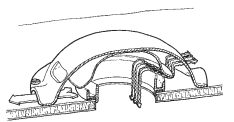
Have you ever looked under your vacuum-type deck vent? You could be in for a shock.
My boat came with several Beckson Vent-O-Mate vacuum vents on the cabintop. While checking all penetrations, I unscrewed the stainless steel and wire top of the vent. Surprise, surprise: a mess of mold, rusted screws, a cracked rubber O ring, and badly deteriorated plastic innards.
There was no point in saving the deteriorated plastic and rubber. Incidentally, they sell the stainless-steel outside shell separately, but not the insides, necessitating the purchase of an entirely new vent. I purchased the cheaper plastic cover version and reused my stainless-steel top.
Beckson, Nicro, and Vetus manufacture these vents. For our head, I chose a Nicro Solar 2000 vent with NiCad battery for 24-hour use. I set the fan on exhaust (it depends on which of the two fan blades you mount), and the head is fresh and clean-smelling.
While you are examining your vents, check the integrity of the sealant at the edge of the hole in the deck or cabintop. Has the balsa wood or core material been exposed, or is it well sealed? If it is not well sealed, the vent could be leaking water into the core. If it feels solid but unsealed, seal it up with MarineTex or a similar epoxy. A good epoxy sealer can be made from the usual epoxy plus chopped milled fibers, microfilament, or high-density filler. Do not use polyester resin as it does not make good secondary bonds. Make the epoxy thick enough so it can’t run. Mask underneath the hole to protect the inside of the boat.
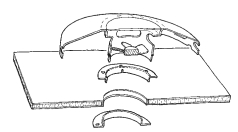
New holes
Once the epoxy sets, replace the vent. If the old and new screw holes do not line up, fill the old holes with the same thickened epoxy and drill new holes to accept the new vent. When you are installing the vent, put a little sealer in each new hole before setting the screw. Use a non-permanent caulking. You may want to move the vent or replace it in the future.
If the edges of the hole are spongy or deteriorated, repair them. Probe with a blunt ice pick to determine the extent of the deterioration. If it is not extensive, clean out the deteriorated material to good wood, seal the hole with plastic wrap on the bottom, and support the sealing material with an underlayer of plywood and a vertical prop. Be sure it’s well sealed. Sometimes the top of a coffee can may be used if it’s covered in plastic wrap. Tape the plastic wrap to the underside of the deck very close to the hole. Do not let the plastic wrap extend very far under the tape. The epoxy will follow the slightest area of non contact. Mix up the clear epoxy and pour it into the hole from the top. (Before you start pouring, make sure the epoxy cannot flow away from the intended sealing area and get into mischief. –Ed.) It should run to the sides and fill all the voids. Be prepared to mix additional epoxy in case it keeps filling the voids between the deck and inside liner. Have someone down below to watch for epoxy seeping out of the masked-off area. Use dropcloths to protect the interior. Let the epoxy set up hard. After it has cured, use a hole saw to re-drill the large hole for the vent and proceed with the installation.
Flat spot
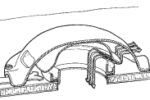
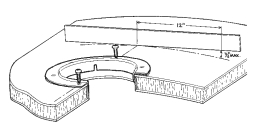
If you are installing a new vent where there was no vent before, look for a flat spot to mount it on. If the deck is cambered more than half an inch in 12, Nicro recommends finding a flatter location. Check the underside area to make sure there is room for the inside parts. Also make sure that the hole you cut does not go through hidden wiring or plumbing. If the deck is flat where the vent is mounted, silicone sealant is appropriate; if it is cambered use a polyurethane sealant, and let the sealant set up and support the deck plate before tightening the screws (see illustration at left). Polysulfide sealants are not a good choice because they may melt the plastic parts.
Inspect your vents regularly. Make sure they do not cause leaks into the core between the deck and interior liner.
Thank you to Sailrite Enterprises, Inc., for providing free access to back issues of Good Old Boat through intellectual property rights. Sailrite.com