Significant advances in new generation of autopilots
Issue 32 : Sept/Oct 2003
Not long ago, autopilots were little more than powered aids to steering with somewhat primitive designs and a reputation for being a nuisance. Now, thanks to the same technological revolution that has reinvented marine navigation and communication, recreational boaters can purchase consumer-level products that display a level of sophistication previously seen only in the most expensive navigational systems.
The basics
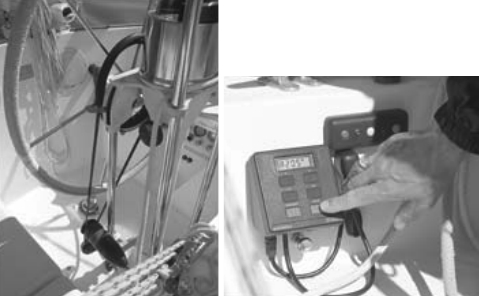
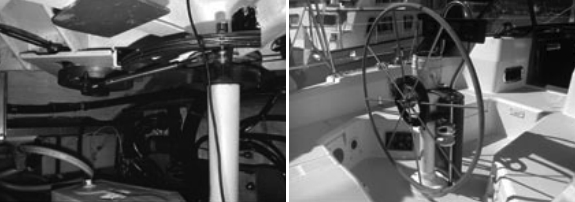
The two primary components of any autopilot are its steering motor and guidance control computer. The electric steering motor can be interconnected to the rudder controls through above-deck or below-deck mech anical or hydraulic means. The boat’s existing steering system, size, and the budget or preferences of the owner determine the confi guration. The guidance computer sends control signals to the motor based on course settings made by the user and input from some type of navigational instrument, comparing the two and moving the rudder when it detects that the boat has left its intended course.
When engaged, the system acts as a spare robotic hand, keeping the boat on course without human intervention. . . a very liberating experience for the previously helm-bound skipper. When disengaged, the system passively allows normal hand steering via the wheel or tiller.
Evolution
Early autopilots were relatively simple devices, allowing the user to set course with a dial and taking navigational input from a fluxgate or photo- optic compass. Some units included adjustments for sea state, allowing the system to keep course without overreacting to each pitch or yaw. These first-generation products were manufactured without the benefit of the high-performance data-processing technology common in today’s electronics, limiting the efficiency and effectiveness of their design. Problems like understeering, oversteering, excessive power consumption, and inconsistent performance frustrated many early autopilot users.
The latest round of product offerings reflects significant advances over its predecessors. Experience gained by manufacturers through their earlier efforts has led to improved mechanical designs with greater reliability and energy efficiency. Improvements in computing power and software design have virtually eliminated many of the performance issues affecting earlier models and made possible many exciting new control and navigational features. These refinements have allowed the autopilot to evolve from what was a “nice-to-have gizmo” to what has become an essential system for many modern yachts.
Better navigation and control
Nearly all manufacturers now include support for the National Marine Electronics Association standard for instrument data exchange (NMEA 0183) as a feature of their electronic products, including autopilots. Some manufacturers include support for both the NMEA standard and their own proprietary data-bus protocols.
These capabilities allow the system to exchange information with any similarly featured electronic device on the boat. As a result, in addition to managing the boat’s course based on compass readings, modern autopilots can also accept input from:
- GPS devices. The autopilot can steer to course, track and waypoint settings created on a Global Positioning System (GPS) receiver. Some units also accept Loran and Decca data.
- Radar systems. You can program the pilot to steer your boat to a specific radar target, with compensation for current and leeway handled automatically.
- Electronic input. The leading electronic chart plotters and computer navigation software products will provide NMEA control signals to an autopilot through a serial or network connection.
- Wind instruments. When connected to an electronic windvane, the autopilot can maintain course relative to the wind’s direction.
- Knotmeters. Input from speed instruments helps the autopilot to steer the most efficient track.
This data-exchange capability also allows the autopilot control unit to act as a data repeater for these other types of instruments, reducing the number of instrument displays needed on board or for the installation of multiple control units in different locations around the boat (one at the helm and one at the navigation station, for example).
In addition to keeping the boat on course, modern autopilots also offer useful and important features such as:
- Crew-overboard control. When a crew-overboard control is activated, the pilot will immediately change heading to a return course.
- Automatic tacking. At a touch of a button, the autopilot can tack the boat through the wind smoothly while you and your crew handle the sails.
- Sea-state controls. Adjustable sea-state controls compensate for swell and other factors to avoid over- or understeering and to minimize power consumption.
- Waypoint advance. As you run down a set of waypoints created by a GPS or computer, the autopilot can keep track of your progress, changing course for the next waypoint as each is reached.
- Joystick steering. The autopilots also allow you to steer manually with a joystick.
- Compass correction. The autopilot can make automatic correction for compass deviation.
- Magnetic dip correction. The autopilot can compensate for variations in the earth’s magnetic field at high latitudes (magnetic dip).
Selecting an autopilot
Technical wizardry aside, the most important factors to consider when choosing an autopilot are the overall length and displacement of your boat. The most common mistake made when selecting an autopilot is choosing one too small for the job.
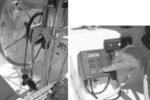
There are three types of systems to consider: tillerpilots, wheelpilots, and belowdeck systems. Tiller and wheel systems are cockpit-mounted, applying drive directly to the helm through either a push-pull ram unit for tillers or direct-drive motor or belt for wheels. Cockpit-mounted pilots are less expensive, easier to install, and sufficiently powerful for light- to moderate-displacement boats used for daysailing or coastal cruising in moderate conditions.
More demanding applications are best handled with a belowdeck unit. For boats with mechanical steering, these systems use a linear or rotary drive motor to apply control directly to the steering quadrant or rudder-stock. On boats with hydraulic steering, control is applied using a pump set fitted to the existing lines, a somewhat simpler installation than with a mechanical system.
The place to start when choosing an autopilot is with the manufacturer’s recommendations for the maximum length and displacement their system can handle. Compare these with your boat’s own ratings, but bear in mind that manufacturers tend to be somewhat generous in describing their product lines. If your boat is close to the maximum rating for either length or displacement for a particular unit, choose a more powerful model. Also factor the heaviness of your boat’s helm into this equation. If it takes a bit of muscle for the skipper to hold the course, the autopilot will likewise need to generate sufficient thrust to steer without being overloaded.
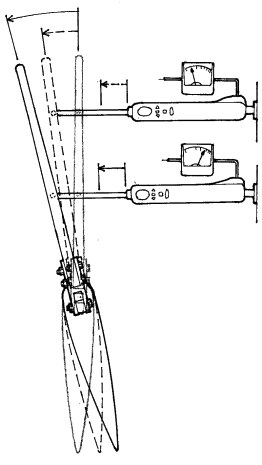
Also consider how responsive you need the pilot to be, measured in degrees per second of rudder movement. A performance cruiser that sails with a light touch won’t need as quick a response time as a boat that takes a lot of rudder movement before the effects are felt.
Back in the real world
As sophisticated as these systems have become, they are only machines and no substitute for good seamanship. Always keep a lookout . . . the autopilot can’t see obstacles or recognize when the radar or GPS is providing erroneous information. Maintain a dead-reckoning plot and see how your charted course compares with your float plan. Recognize that these systems have limits to their effectiveness. An autopilot can’t anticipate wave action the way a human can, especially in following seas. Avoid overtaxing the pilot for prolonged periods — when faced with difficult conditions, choose a course and trim that minimizes weather helm or take the helm yourself.
Given these guidelines, take advantage of this technology and enjoy your sailboat in ways never before possible.
Thank you to Sailrite Enterprises, Inc., for providing free access to back issues of Good Old Boat through intellectual property rights. Sailrite.com