Little things make a big difference when selling a boat. Here’s how to ensure a quick sale and a good price.
Issue 25 : Jul/Aug 2002
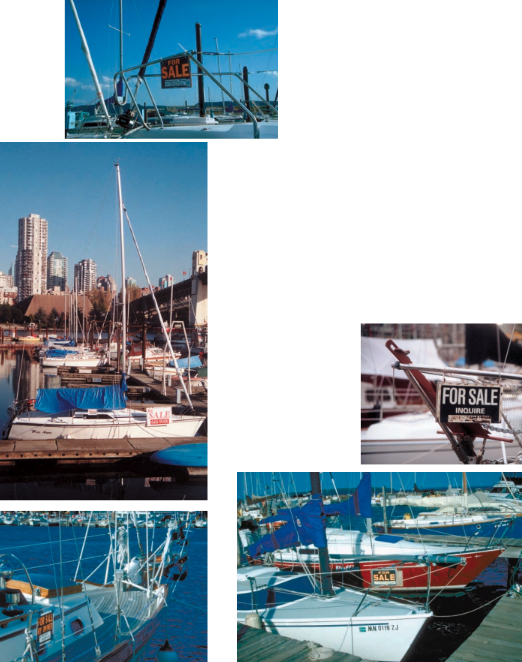
Ask any broker how much time a boat has to catch a buyer’s interest and you’ll get the same answer: “Not long.” Most serious buyers make a decision within the first minute or two of stepping aboard. After that, they look for confirmation (or rationalization) of their initial decision. It’s good to remember this if the day ever comes when you want to sell your beloved boat.
According to John Bassingthwaighte, a Vancouver-area yachtbroker, an all-too-common problem is that most people put their boat up for sale when they’re no longer using it, so the boat can appear to be unused and neglected. The buyer wants something with appeal, yet for the seller the appeal has already worn off, whether it’s because they’ve drifted away from boating or because they got “two-footitis” and bought a bigger boat. “They’re approaching it from opposite directions,” John says, “so the buyers feel they can’t find a decent boat.” How do you make sure that yours is one of the decent ones? By approaching it with fresh eyes and a willing- ness to put in a little elbow grease.
A clean machine
Cleanliness is the single most important factor in how well a boat shows. If your boat has varnished bright-work, the varnish should be in good condition. If you have unvarnished teak, make sure that it’s freshly cleaned. Above decks, the hull, decks, and cockpit should be spotlessly clean. Polish and wax the hull and those portions of the decks that don’t have non-skid. Be sure to remove any muck from around the waterline. If the bottom has more than a thin layer of slime, arrange to have it cleaned and, if necessary, painted.
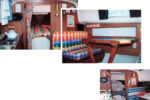
Below decks, go through your entire boat and remove all clutter and personal gear, partly because if everything is chock-a-block with your gear it will be hard for the buyer to judge the real size of the boat’s lockers, and partly because an uncluttered boat allows buyers to visualize it as their space.
The only things you should leave aboard are items that will be sold with the boat and things needed to take the boat out — life jackets, wet-weather gear, tools, charts, and equipment.
After you’ve cleared out the excess stuff, clean the boat completely, especially the head and galley. While cleaning, focus on removing not just dirt and grime, but also any musty smells. Head odors are often due to hoses that need replacing, and if this is the case, spend the time and money to do it now, before it ruins a sale. As John explains, “I’ve seen more than one buyer take two steps down the companionway then turn around and leave after smelling the cabin.” If there are mildew or musty odors in the lockers, clean them with a commercial mildew remover, spray them with a disinfectant spray, and leave them open overnight to dry. Put a few drops of pine oil or bath oil down drains to help prevent the sewer odor that unused drains can take on. And don’t forget to clean and deodorize iceboxes, refrigerators, and bait tanks. After cleaning the icebox or refrigerator, place an open container of baking soda inside to keep things smelling fresh.
If the engine is oily or grimy, give it a cleaning. Chandlers or automotive stores carry various spray-on foam cleaners, and these work well in the confines of a boat’s engine compartment. The bilges should also be pumped dry and then cleaned. Bilges are often a source of odor. You know the buyer is going to look there, so why not make sure the bilge sparkles?
Written records
After cleaning the boat, turn your attention toward the paperwork. Gather all the documentation for the boat and the installed gear in one place. Don’t forget documents that you might have filed at home. Buyers appreciate having owner’s manuals, maintenance records, and the like available — it contributes to the impression that the boat has been properly looked after, and this translates into a better selling price.
It’s a good idea to prepare a list of all equipment that is included with the boat. This not only helps avoid misunderstandings, but can be a useful sales tool for you or your broker. Make sure that all the equipment on the list is actually present on the boat (with the exception of hard dinghies which may be stored elsewhere).
Finally, using the boat’s documentation and your list of equipment, prepare a one-page brochure describing the boat’s basic features and equipment (make, model, and year of the boat, propulsion system, overall length, waterline length, beam, draft, included equipment). Include its key features (family cruiser, fast racer, large galley, new engine, or whatever). This will help you or your broker understand what you are really selling, and it will provide potential buyers with something to take home.
If the information you have on the boat is from word-of-mouth or passed down from previous owners, take the time to do some fact checking. John tells of one unlucky seller who thought he had a boat from the board of a famous designer until he went to sell it. A potential buyer phoned the designer, who denied having anything to do with the boat. “Even if it’s an honest mistake,” John says, “the buyer is left thinking ‘what else isn’t true?’” Some quick research on the Internet, a call to the designer or builder, or a chat with a previous owner can ensure that you have your facts straight.
Keep the faith
As you wait for your boat to sell, take it out and use it occasionally. This will keep the boat from looking or smelling neglected, it will ensure that everything is working, and it will ensure that you remember how to operate it properly when the day comes to take a buyer out for sea trials. And you never know, with the boat shining like the jewel that it can be, you might just fall back in love and decide to keep it.
Thank you to Sailrite Enterprises, Inc., for providing free access to back issues of Good Old Boat through intellectual property rights. Sailrite.com