Or how a desperate sailor drilled out a sheared stud
Issue 47 : Mar/Apr 2006
So there we knelt, staring at the bolt head in my hand in horror. What was once a beautiful 5⁄16-inch x 3-inch bolt was now twisted wreckage. “I didn’t realize I was so strong,” I said in a feeble attempt at black humor.
I just wanted to replace the thermostat. Instead, the bolt head sheared off. I was angry. The bolt held the thermostat cover on the housing of our middle-aged Universal 30 3-cylinder diesel. The housing was part of the engine casting, so taking it down to the machine shop to be bored out was not an option for my YMCA income. It was pre-spring fitting-out time, which, in Minnesota, goes very quickly; I had two weekends to solve this problem. The boat was three hours away from home. Because of my work, I had a very small window to deliver the boat to its mooring 75 miles up the lonely north shore of Lake Superior.
It was dark and we were both wearing sunglasses. “Hit it,” said my trusty nephew, the appropriately named Johnny Bonkers.
I purchased a hardware store extractor set, comprised of several sizes of very hard metal reverse screws that can bore into the sheared bolt or screw and then twist it out. The next weekend my loyal nephew and I returned to the boat to do this “simple job.” Unfortunately, the hardware store extractor promptly broke off after digging into the sheared bolt. I invented several new expletives. My nephew added his own, and we went home like the losing World Cup rugby team.
Harry the savior
After nightmares and half-considered plans to “ . . . never use the motor all summer!” I found Harry. He was the city desk working stiff at a wholesale metal-cutting/drilling supply outfit I found after some Yellow Pages detective work. Harry looked rough, fresh from a punch-up, and not really happy to see me.
After hearing my story, though, he straightened up, sucked in his black Harley T-shirted gut and became the helpful man I hoped he could be. He was passionate about cutting and drilling metal. After a few stories about how he sheared his own bolts on his Harley, he showed me the way.
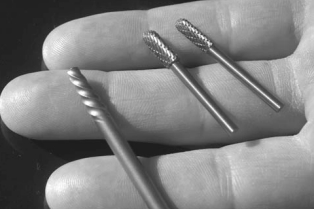
I had originally asked for a diamond drill bit, since someone suggested that it was the only thing that would cut through the hard extractor. It was more than $80. Instead, Harry sold me two carbide-tipped nubs for a total of $10. They were 1-inch long 1⁄4-inch Dremel tool bits with wicked-looking shards on the round head and sides. Harry told me it was a suicide mission and, as his voice became louder and his gestures more animated, he said not to expect the bit to survive its ordeal drilling through the extractor and the bolt. The next weekend, armed with the nubs and Harry’s instructions still in my head, my now very loyal nephew and I returned to the job.
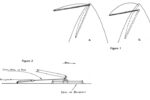
I built a two-sided jig out of a 2 x 4 with a rounded area for the electric drill to press against. I was going to bear down hard and needed something to lean on to approximate a drill press. Johnny squirted in the PB Blast (like WD-40) and I drilled away . . . not stopping . . . as Harry had recommended. If I were to stop, he counseled, the carbide cutting burrs on the bit would cool and lose their edge. This was a one-shot deal, though I did get two bits. Johnny and I smiled for the first time in weeks as the bit made progress into the extractor.
Almost through
I kept drilling although my arms burned. By the time the first carbide bit burned out, we had definitely made it through the extractor. We took a break and set the last bit into the drill. With a look that only men in dire straits know, we set to drilling out the remaining 3⁄4-inch of bolt. We broke out the bottom and celebrated with a lovely hot cup of tea. After drilling out the remaining sides of the bolt and cleaning the hole, I tapped it for a new 5⁄16-inch stud and put the whole housing back together. We brought an extra bolt that was one size up, just in case we bored the hole out too much. Harry would have been proud at the amount of anti-seize goop I added. Though the hole we drilled and tapped was very slightly out of plumb, the housing and gasket have not leaked in two seasons.
I would see this method working on several sheared bolt situations around the boat, even stainless bolts. It was a desperate move, but taking the housing to a shop meant removing the head of the motor. I was far too proud and way too cheap to do that. I imagine most true sailors would be too. After all, the wind is free, as they like to point out.
We were not cheap in our toasts to Harry that day.
Thank you to Sailrite Enterprises, Inc., for providing free access to back issues of Good Old Boat through intellectual property rights. Sailrite.com