Buckets, sawdust, and a clever seat make a functional dry marine toilet.
Issue 132: May/June 2020
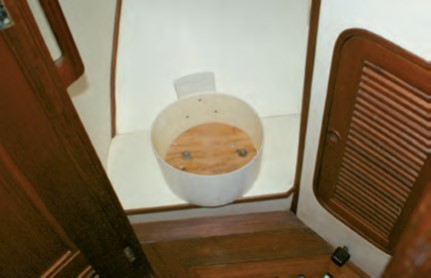
When our son, John, moved aboard his Baba 30, the marine head was inoperable and unrepairable. He saw this as an opportunity to switch to an odor-free and more environmentally sound marine sanitation solution: the composting toilet. But he took it a step further; after finding the commercially manufactured toilets too large to fit in his boat’s head, he went the DIY route.
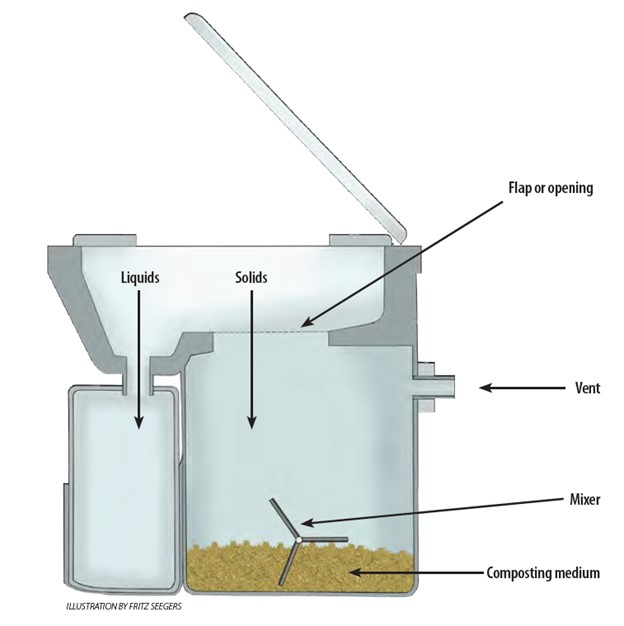
In his 1995 cult classic The Humanure Handbook, Joe Jenkins includes information for building the sawdust toilet he designed over 30 years ago. His design has been used throughout the world, including aboard boats. It differs from the commercial units in that there is no separation of liquids and solids, and it can be built to be smaller.
The sawdust toilet is very simple and has no moving parts. It’s simply a bucket lined with a plastic bag and topped with a toilet seat. The bucket is affixed to the boat to meet U.S. Coast Guard marine sanitation device regulations.
To build the toilet, John started with two 5-gallon contractor’s buckets and a Luggable Loo snap-on toilet seat; the total cost was about $25. He cut the bottom 6 inches off one bucket and bolted this shortened section to the shelf where the original toilet was mounted. This created a base into which the second bucket—which serves as the collection tank with the toilet seat attached—would fit.
To secure the second bucket to the base, John cut from the discarded scrap of the first bucket a 5-inch-wide piece that included a portion of the rim. He attached this section to the base with rivets. Once seated in the base, the handle of the second bucket snaps into this rim section to hold it securely in place.
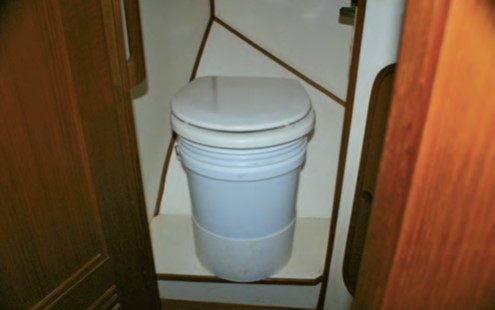
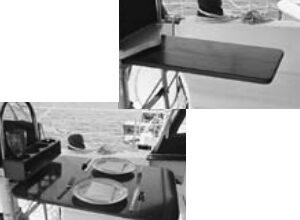
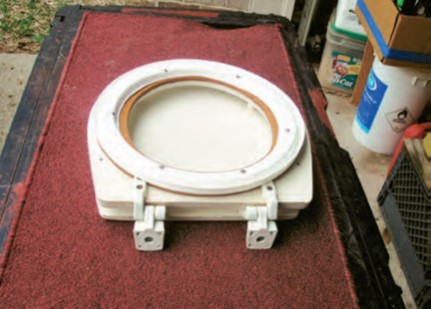
To make the toilet look more attractive, I built a seat to replace the purpose-made Luggable Loo seat. I attached a recycled Bemis marine toilet seat to the snap rim of a contractor’s bucket lid, adding a plywood shim between the two.
Managing the toilet is easy, and a bit different than the commercial units. After lining the bucket with a plastic bag and adding 3 to 4 inches of bedding material to the bottom, the toilet is ready. After each use, cover the waste with a couple of scoops of additional bedding material. If the bedding material in the bucket ever looks wet or smells, add more sawdust. When the bucket is 3⁄4 full, remove the bag and dispose of the contents in a composting site or dumpster.
Sawdust is the proscribed cover material, but as with the other toilets, wood planer shavings, coconut coir, or sphagnum peat moss will also work. John found that a 40-pound bag of compressed pine pellets (which have to be reconstituted before use) is enough for 8 to 10 toilet-emptying cycles, or about 45 to 60 days of one sailor’s full-time use.
For the two years that John lived aboard the Baba full time, he emptied the toilet every six to seven days. That’s more often than commercial composting toilets, but the process is so much easier and cheaper, John had no complaints.
Jim Shell and his wife, Barbara, sail their Pearson 365 ketch off the coast of Texas.
Thank you to Sailrite Enterprises, Inc., for providing free access to back issues of Good Old Boat through intellectual property rights. Sailrite.com