A hand-powered pump, glass jars, and ingenuity are the recipe
Issue 126: May/June 2019
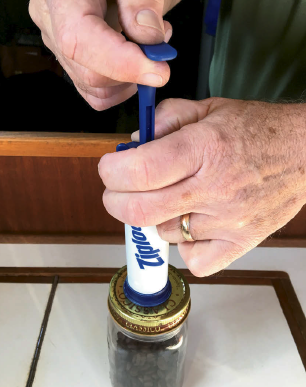
About 30 years ago, at the Houston Boat Show, I saw a product called Pump-N-Seal, a device that restores a vacuum to used glass food-service jars of the kind commonly used for pasta sauce, pickles, olives, and other foods. The proprietary hand-powered pump generates a vacuum, and a piece of electrical tape holds the vacuum. The technique is simple. With food in the jar and the lid closed tight, I use a pushpin to prick a tiny hole in the middle of the lid, lightly apply a piece of electrical tape over the hole, then hold the pump firmly on the lid over the tape seal and pump the air out. When I’ve generated the necessary vacuum, I press the tape down with the pump to seal the hole. A vacuum created and sealed this way has been known to hold for 17 or more years.
So what?
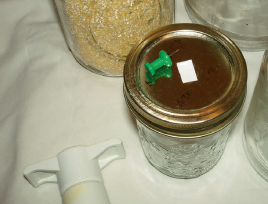 Aboard our Pearson 365 ketch, we like to store dry provisions (such as rice, beans, sugar, flour, cornmeal, crackers, nuts, coffee, tea, and powdered milk) in reusable, resealable vacuum containers. The Pump-N-Seal, which is still available online, enables us to do so.
Several purpose-made vacuum containers are available on the market, but these containers require a dedicated electric pump to generate the vacuum, and we don’t have surplus power to run such a pump. Having a small hand-operated vacuum sealer aboard is an ideal solution.
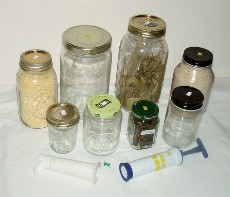 In addition to Pump-N-Seal, there are several other manual vacuum pumps for use in the food industry. Ziploc makes a vacuum pump and resealable bag system that works well. The Lasting Freshness Handheld Pump is a similar vacuum system. The Vacu Vin Wine Saver pump can be made service- able by cementing a rubber washer to the rim of the pump to create the necessary seal to the lid to create the vacuum. Food Saver has a battery-powered vacuum pump that would probably work.
Food-service jars come in a variety of sizes and shapes. The only requirements are that the lid has a good rubber seal, the screw ring is metal, and the tape seal is plastic. For consistent jar size, the common Ball canning jars and lids are perfect, and are our preferred jars. That said, small jars are good for preserving delicate herbs and spices while large pickle jars are good for crackers and bulk items. Be aware that some jars will have a residual smell.
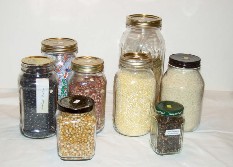 This process does not take the place of canning, freezing, or refrigerating perishable foods. It simply prevents oxidation and staleness from occurring in shelf-stable foods, as well as keeping the food dry. It is also a method for long-term storage of grains, beans, certain dehydrated foods, and herbs. We have never had a jar break but we do take care to protect them with appropriate cushioning.
Resources
vacuvin.com/products/wine-saver
foodsaver.com/vacuum-sealers/handheld-vacuum-sealers
Jim Shell and his wife, Barbara, sail their Pearson 365 ketch off the coast of Texas.
Thank you to Sailrite Enterprises, Inc., for providing free access to back issues of Good Old Boat through intellectual property rights. Sailrite.com