Staying afloat in good old boats through life’s ups and downs
Issue 123: Nov/Dec 2018
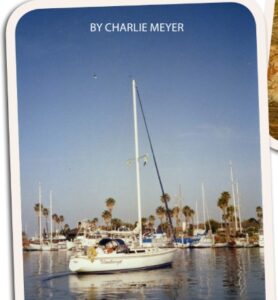
Twenty-five years ago, I stood on a dock in Redondo Beach, California, and watched Windswept, our Catalina 34, sail off with her new owner. I was 50 years old, a tough, practical guy who had made the correct financial decision for his family, and I knew we would eventually have another boat. So, I was surprised, and a bit embarrassed, by the tears running down my cheeks as she sailed around the breakwater and out of my life. “Man up,” I told myself, “it’s only a boat.” But it’s never “only a boat.”
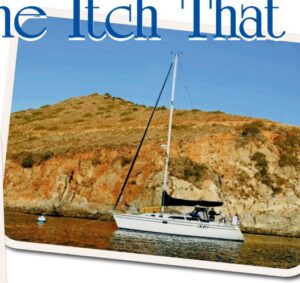
I love the ocean, and boating has always been a big part of my life, ever since my beach-loving mother persuaded my city-boy father that we should spend summer vacations in rental cabins on the waters of eastern Long Island Sound. After college, I spent two years in the Army, most of it in Fairbanks, Alaska. This was as far away from the ocean as I had ever been, and I missed it badly. After returning home, I began work in New York City, married a fabulous girl, Mary, and started a family. I had no time for the ocean or boats, but the itch was always there.
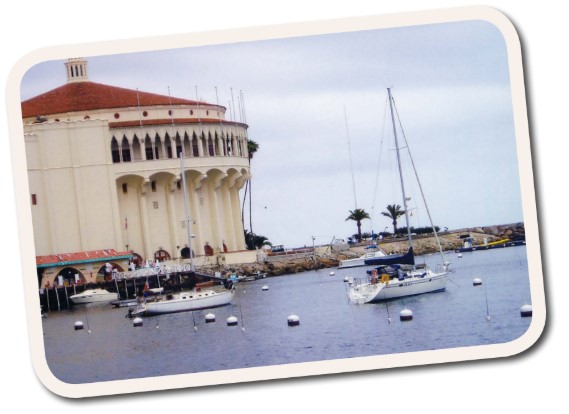
Soon after our daughter, Jeannie, was born, I found a job in Los Angeles and we moved to Manhattan Beach. A neighbor invited me for a weekend sail to Catalina Island aboard a Cal 25. It was my first experience with a sailboat, and from the moment the motor was shut down and all I could hear was the whisper of the wind and the pulse of the bow wave, I was hooked.
Realizing that sailing is a bit more complicated than the motorboating I’d done as a kid, my wife and I signed up for lessons in King Harbor, in Redondo Beach. Once we had the basics down, we began chartering sailboats from a company based in Marina del Rey. The head of the charter company informed me that a prospective buyer of a brand-new Catalina 30 had reneged on the deal. If I stepped in and took his position, I could have his deposit money! Not only that, but the income from chartering would more than cover the costs of ownership, and I would be able to sail the boat for free any time it wasn’t chartered. I didn’t have any money, but I qualified for a loan. Overcoming much resistance from my sensible wife, I signed on the dotted line and bought my first sailboat. What could possibly go wrong?
A chastening experience
I quickly realized we were in way over our heads. The charter income was nowhere near what we expected, and we still barely knew how to sail. On a trip to Catalina Island, the kids at home with my parents, we fouled the prop with a jibsheet just outside of Isthmus Harbor. Later that week, sailing back to the slip in Los Angeles Harbor having lost the engine, we almost turned in front of a freighter. Nonetheless, I stubbornly hung on to my boat-ownership dream, until the day I got the phone call from the charter company. Charterers had dismasted my boat, thinking they could make it under a drawbridge without having it open for them. We’d owned the boat for less than a year, and sold it without ever having given it a name.
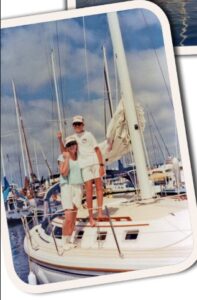
Bloodied but unbowed, I continued to charter sailboats and read every sailing book I could get my hands on. We joined a family-oriented yacht club, bought an 8-foot Sabot, and our kids took sailing lessons at the club. Then I convinced my bride we would all learn to be better sailors if we bought something a little bigger, and thanked her by naming the new Catalina 22 after her. We sailed that little sloop all over Santa Monica Bay, and continued to charter larger boats for the occasional trip to Catalina.
I was proven right: we all became decent sailors. We also wanted to spend more time at Catalina, and I was tired of doing so in other people’s boats. I had gone into real estate brokerage and was doing well enough that I worked up the confidence to trade in the 22 for a new Catalina 34. Mary went along with me, on the condition that we not name this one after her.
We enjoyed six years of blissful sailing aboard Windswept, frequently with teenage friends of our children aboard. We made our favorite Catalina Island anchorages our second backyard.
Life was perfect, until the real estate market tanked overnight. College tuition, mortgage payments, food, and other necessities come before boat payments. I got lucky and sold Windswept quickly, but I didn’t have to like it! Windswept had been a symbol of the best years of my life to that point.
Reprieve and a refit
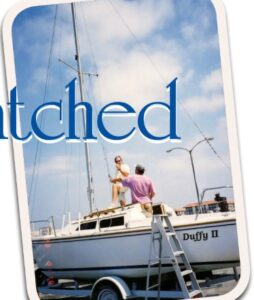
Time passed, the real estate market recovered, and sailing beckoned. But I had learned my lesson: no more boat loans. Even the thought of slip fees gave me concern. The answer was obvious. Our yacht club had waterfront docks with boat hoists and a dry-storage yard. The used-boat market was still in the dumps, and I scraped together enough cash to buy another Catalina 22. She was a sorry little boat, with a swing keel that was even rustier than the trailer she perched upon. To say she suffered from deferred maintenance was being kind, but I had the right partner for this project. My son, Casey, and I had spent one entire winter, when he was about 10, building a wooden dinghy in our garage. He had loved every minute of it, and he often said we should do it again. Now a grown man and handier with tools than I, he jumped at the chance to help me restore our new old boat, and once we were finished, to test her out. On our rough passage to Catalina, in mid-channel, winds gusting over 25 knots and waves that swept the deck, she passed the test with flying colors.
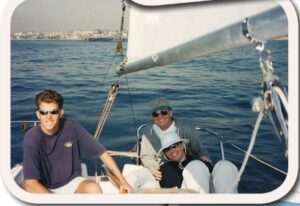
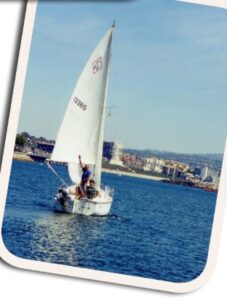
Dry yard storage was inexpensive, but didn’t allow me to just hang out on the boat as I would in a slip. Launching her with the hoist was a lot more complicated than stepping aboard and throwing the dock lines. She was too small for family trips to the island. But we were sailing again, in our own boat. Then, in 2001, I got very lucky. I came into some money when a modest investment I’d long ago written off turned a handsome profit. No need to get all sensible with it now, was there? I traded in the 22 for a brand-spanking-new Catalina 320. And I named her after Mary.
Sunset years
Our nest was empty, and this 32-footer is a perfect boat for a couple: just the right size for the two of us to spend a week without feeling cramped. Mary and I put thousands of miles under her keel over the next 13 years. We sailed to every harbor from San Diego to Santa Barbara, spending our time reading, swimming, taking long walks, paddling kayaks, playing gin rummy, eating, and sleeping. Heaven on earth.
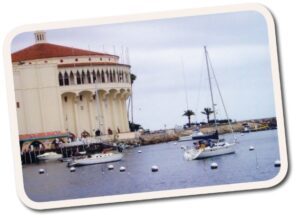
destination for the Meyers.
Then health issues that had been plaguing me for years became more serious, and surgeries and side effects from medications limited me to the occasional afternoon sail in Santa Monica Bay. We postponed longer voyages until I fully recovered. But after almost three years, I finally got it through my head that a full recovery was not going to happen and to accept my new normal. I was grateful for the fact that I was “doing fine,” just not fine enough to risk stranding my first mate 25 miles from home with me in need of a hospital and unable to assist her.
For years, I wondered about all the boats in the marina that hardly, if ever, left their slips. I swore I would never let that happen to my boat. She is meant for more than an occasional jog up and down the bay. So, once more, I told myself to man up. She sailed away with her new owners aboard, a lovely couple who were already planning their first cruise. Soon she’ll be back at anchor at Santa Cruz Island, and will eventually find herself again at Catalina.
And I didn’t cry. Maybe there’s still time for another 22-footer . . .
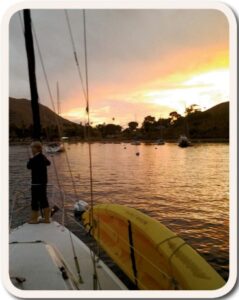
Charlie Meyer moved his family from New York to Southern California 48 years ago and has spent as much of that time as possible on or in the ocean. He has sailed vessels from 8 feet in length (Sabot) to 110 feet (as a crewmember on tall ships with the Los Angeles Maritime Institute). Currently his only boat is a one-seat kayak, but he’s keeping his options open.
Thank you to Sailrite Enterprises, Inc., for providing free access to back issues of Good Old Boat through intellectual property rights. Sailrite.com