Ample food gives you more cruising choices
Issue 27: Nov/Dec 2002
WHETHER IT’S FOR A WEEKEND OR a season, I provision with every calorie, can, vitamin, and victual I can cram in. Excess food is cheap insurance. With an ample pantry, we can decide to linger longer or take the long way home. Extra food means hearty meals, even if we are stranded by weather or a mechanical breakdown and plenty to share if we meet nice folks and want to invite them aboard for a meal.
It saves money, because food prices in the boondocks are 10 to 100 percent higher than in our local supermarket, not to mention the cost of taking taxis to and fro. It’s healthier to eat home cooking, and it’s fun to anchor in the middle of nowhere and make a boffo dinner without another soul in sight.
We’ve cruised nonstop for as long as eight months aboard a 29-foot sloop, without having to buy anything but fresh produce. To get that much food into a boat that small means discovering stowage places you never knew existed. It means balancing provisions so you don’t end up like the couple who lived on creamed corn and artichoke hearts the last week of their transatlantic passage. It means protecting foods so they aren’t lost to rot, rats, and rust. And it means thinking in terms of nutritional value per ounce and per cubic inch.
How much of what?
It’s daunting to think about feeding two people for two months, two adults and four teenagers for three months, three couples for a two-week charter, or one couple for a circumnavigation. There are countless variables, depending on how you eat, your refrigerator and freezer capacity, and whether daily fishing is part of the plan. Re-supply also has its variables, depending on whether you buy ice and bread or make your own, and what local specialties you prefer to buy along the way.
The most difficult plan, but the most reliable, is to make up a menu for three meals a day for one week, with a shopping list for everything on the menu plus staples, cleaning supplies, and paper products. If you’ll be gone only a couple of weeks, double this list. If you’ll be gone for months, make a two- or three-week master menu and multiply it. Chances are, it will be weeks before anyone realizes that you’re having chicken potpie every third Monday night or raisin-pecan oatmeal every other Saturday morning.
A more versatile scheme is to break down the day’s rations into units. Say you have a crew of four, and each has two scrambled eggs for breakfast. Ergo, eight eggs equals one maindish breakfast unit. Each person has one burger for dinner, so one pound of ground round, divided into four patties, equals one dinner meat unit. A can of peaches divided four ways is one fruit unit. Enough pancake mix to feed the crew equals one breakfast maindish unit.
If you’ll be gone 12 days, you’ll need 12 units each for breakfast main dish, breakfast fruit, lunch main dish, lunch dessert, dinner meat, dinner starch, dinner vegetable, dinner salad, dinner dessert, and so on. While the unit method is more haphazard, you have all the puzzle pieces in hand and can combine them according to your whim.
As a rule of thumb, you’ll need for each person on board, per day, a minimum of:
- 1 cup of milk (UHT — ultra heat-treated — or the equivalent in canned or powdered)
- 1 cup flour at about 20 cups per five-pound bag
- 1 egg
- 1⁄8 pound butter
You may never drink milk or eat eggs, but they’ll be used in cooking. You’ll use flour for baking, more or less according to how many recipes you make from scratch and whether you buy or bake your daily bread. Generally, one portion of trimmed, boneless meat is four ounces per person; for bone-in meat and poultry, plan six to eight ounces per serving. Root vegetables, steaks, chops, fruit and many other foods are bought by the count, that is, one potato or one T-bone per person, per serving.
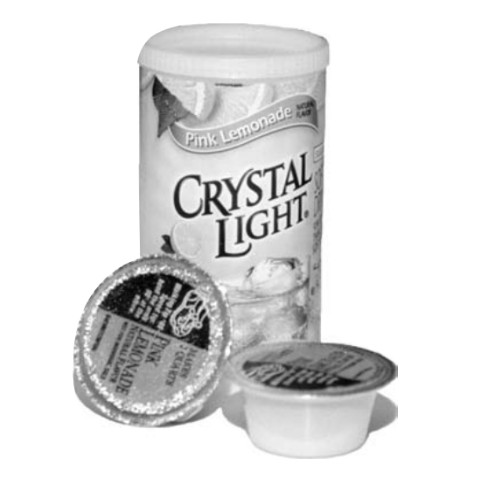
Do the math. You’ll get 32 half-ounce scoops per one-pound can of coffee and 64 eight-ounce glasses of Crystal Light from a can containing eight packets that make two quarts each. At home, start dating such things as toothpaste and shampoo, to see how long it takes your family to go through the large, economy size. You’ll soon have an idea of how many of what you’ll need per month.
Where to put it
Stowage space can be categorized as:
- Galley stowage: for staples you use every day, as well as for menu items for the next day or two.
- Standby stowage: where you’ll keep canned goods, paper products, and staples such as canned tomatoes or soups that are frequently moved into galley stowage.
- Dead storage: this takes time and effort to get into. These areas might include bins under dinette seats and bunks.
- Dead-dead storage: this requires major effort to get into, but here’s where you’ll find your “ace in the hold” for paper towels, toilet paper, canned coffee, and other bulky, lightweight items. Remove floorboards and drawers, and fill every inch of space behind the scenes. It may be weeks before you have to dismantle the boat to get at these places again.
Keeping it safe
Rats and roaches are a rare problem, but humidity is ever-present, taking the crunch from crackers, invading flour, weakening baking powder, turning bread green, and inviting all sorts of livestock to feast on dry pastas, rice, and everything else that requires cool, dry stowage. Here are some random tips on long-term food storage.
- It isn’t practical to store everything in metal cans or glass jars, but they are your only protection against dock rats, which can chew through everything else including wood and heavy plastic. For serious voyaging, invest in canning equipment. Can your own meats (but not fruits, vegetables, and foods you can buy in cans) and seal up delicate items such as spare parts in a safe, sterile, break-proof environment.
- Take paper labels off tins and mark them with grease pencil. Even dry boats sometimes flood, and if the paper goes awash, it clogs bilge pumps. In a damp boat, seal each can of food in a plastic bag. In a wet boat, coat cans first with a self-healing rustproofer, such as Texaco’s Compound L, then wrap individually in plastic. It’s messy, but is the ultimate defense against rust. If cans have flip-tops, tape them down and seal cans in individual bags. If the flip-tops get dislodged enough to break the seal, food spoils. Aluminum cans are even more vulnerable than steel in salt water, which can eat through in as little as 24 hours. Protect them, too.
- Freeze pastas, grains, and flours 24 hours in the containers where they will be stowed, then let them come to room temperature without opening.
- Where possible, buy cans and packages that have a “use-by” date. If not, use a marker to date each piece so you can use oldest items first.
- Hard, fresh cabbage keeps for weeks in a cool, dry place if you don’t cut through the head. Peel off leaves from the outside as needed.
- Wash fresh lettuce, dry thoroughly, and wrap in a clean linen or terry towel. It will keep several weeks in the refrigerator. Don’t stow fresh produce in plastic wrap. Wash apples, hard pears, citrus fruits, and green tomatoes. Then dry them completely and wrap them individually in paper towels. Turn often and use as soon as they’re ripe.
Top 10 pantry lifesavers
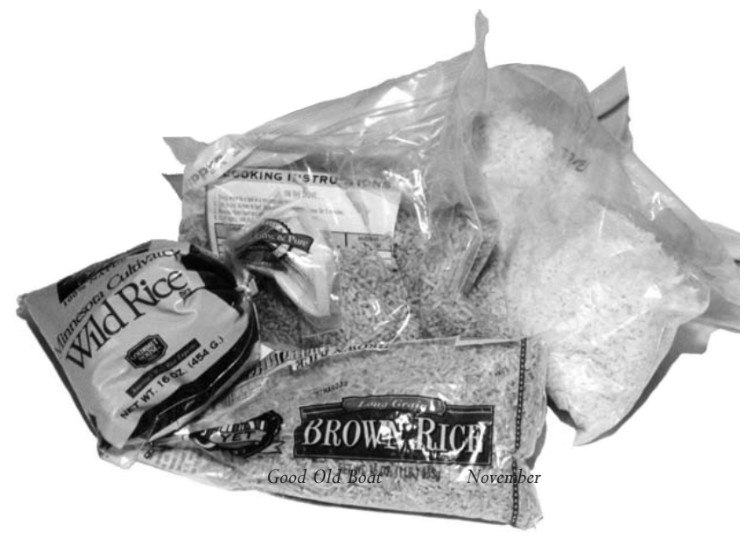
1. Rice, because it can be served as a hot breakfast cereal, dessert pudding, starch side dish, and an ingredient in hundreds of dishes. Buy a variety of rices (jasmine, texmati, arborio) and, for nutritional backbone, favor brown rice over polished.
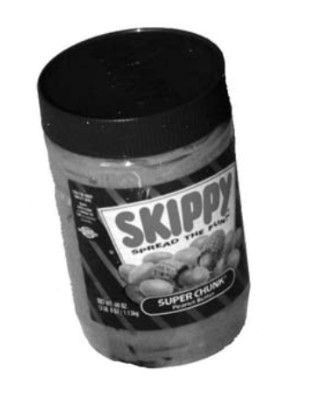
2. Peanut butter can turn bread or crackers into a meal, snack, or dessert. Use it as a fat in cakes and cookies, a flavoring ingredient in sauces such as chicken satay, a protein-rich spread for toast, or just eat a spoonful as a pick-me-up when the going gets rough.
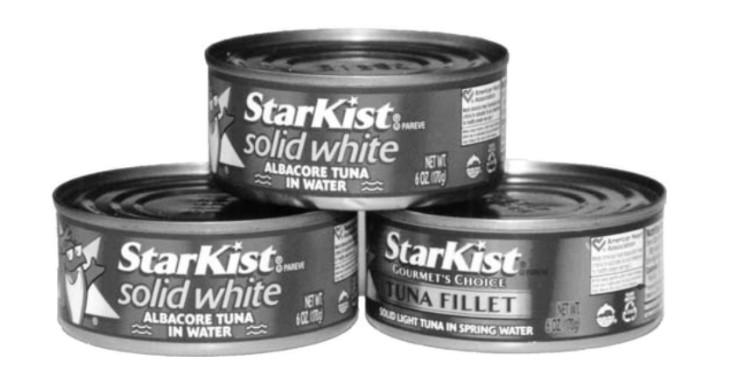
3. Canned tuna can be eaten straight from the can when high seas prevent cooking, and it’s delicious in many maindish recipes. Add canned or pouch tuna to chowder or a casserole to stretch a small catch into a feast for a big crew.
4. Self-rising flour may lose its oomph after months in damp sea air, but it’s the ultimate shortcut ingredient. For the same price as regular flour, it combines flour, salt, and baking powder to speed your production of pancakes, coffee cake, quick breads, batters, and biscuits.
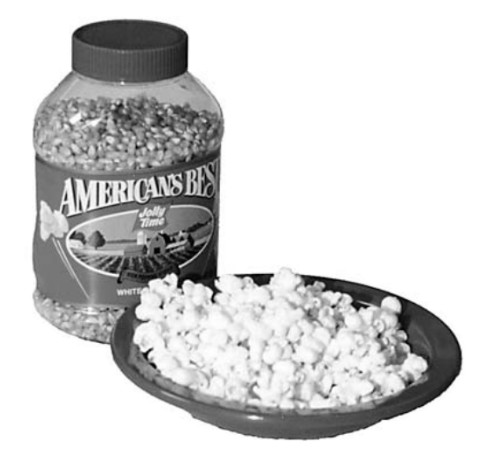
5. Popcorn is everyone’s favorite snack food. It’s cheaper and more space-efficient to buy it in bulk and carry a stovetop or microwave corn popper, and it’s pure food without salt and saturated fat. Sprinkle popcorn with flavored gelatin or cinnamon sugar for a quick dessert, with hot sauce and herbs for a cocktail snack, or with butter- flavored salt to serve with apples for a light supper. Popped corn can be ground in a food processor and mixed into batters and doughs for added interest and nutrition.
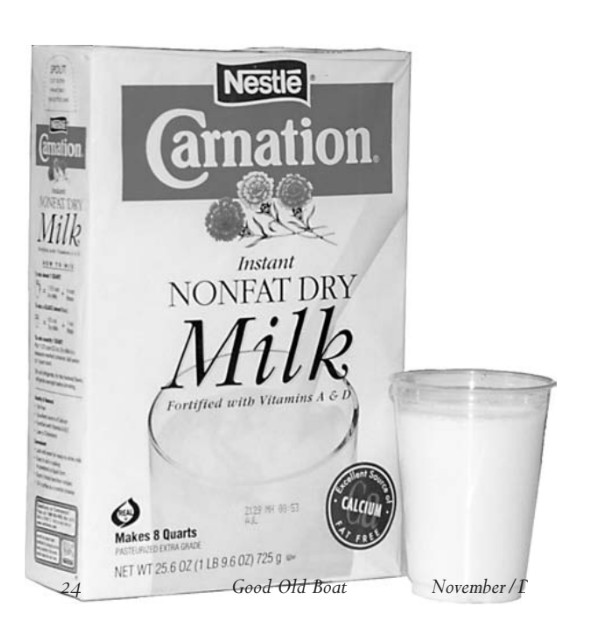
6. Nonfat dried milk can add nutrition to recipes, and 20 quarts can be carried in a carton no larger than a box of cornflakes. For drinking, mix it at least three hours ahead. Protein is slow to recombine with liquids, so it takes several hours to lose its chalky texture, chilled or not. If you don’t have refrigeration, turn it into cocoa, yogurt, or a posset made with hot milk, sugar, a touch of vanilla, and a tiny nugget of butter.
7. Rolled oats make a filling, healthy breakfast cereal and add texture and interest to breads, cakes, and cookies. They can be lightly cooked to a chewy texture, cooked into the creamiest, most gentle cereal for upset tummies, or eaten raw. Add dried fruits, raisins, nuts, or other grains (rice barley, cornmeal, grits) and have a new cereal every morning. For the kids, stir in a handful of M&Ms just before serving. An oatmeal scrub also helps ease itches and rashes. You’ll get four times more servings out of a box of oats than the same size box of ready-to-eat cereal.
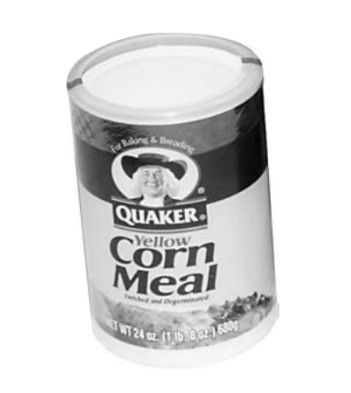
8. Grits or cornmeal are down-home favorites that go gourmet when you call them polenta. Serve as a hot cereal, sweeten to make Indian pudding, stir in eggs and bacon bits to make a one-dish breakfast meal, or serve hot cheese grits as a starch side dish with dinner. Chill cooked cornmeal mush, cut into slabs, fry until crispy, and serve for breakfast with maple syrup, or grill it for a dinner side dish.
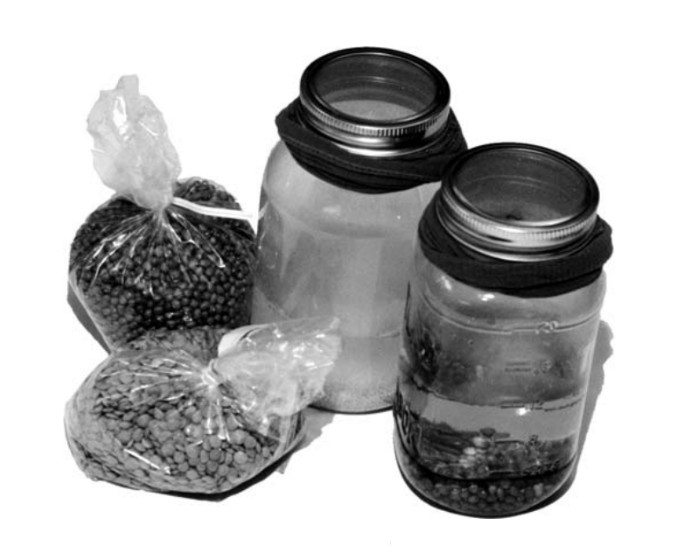
9. Seeds for sprouting stay dormant for months, even years, then spring to life as a vitamin-packed salad. Check health food stores and catalogs for dozens of types of sprouting seeds, not just the familiar alfalfa and mung.
10. Drink concentrates such as Crystal Light, bottled lemon- and lime-juice, Tang, and frozen concentrates allow you to carry gallons of tasty drinks in cupfuls of space. If you can re-supply water along the way, don’t waste space on canned sodas, juices, and cocktail mixes.
Squeezing it all in
- Have the butcher skin, trim, and bone meat, then package it (without plastic trays) in portions suitable for your crew size. Then freeze it in the supermarket’s super-cold freezer. Pick it up on the way to the boat.
- Don’t buy it in a can if it comes in a pouch, a box if it comes in a bag, or a glass bottle if it comes in plastic.
- Don’t buy it full strength if it comes in a concentrate form. For example, buy tomato paste rather than tomato sauce. Favor condensed or dried soups, bouillon cubes over canned broth, and concentrated cleaning products rather than ready-to-use.
- Don’t take up valuable fridge space with foods that don’t have to be refrigerated, such as hard cheeses and sausages, peanut butter, and some margarines.
Thank you to Sailrite Enterprises, Inc., for providing free access to back issues of Good Old Boat through intellectual property rights. Sailrite.com